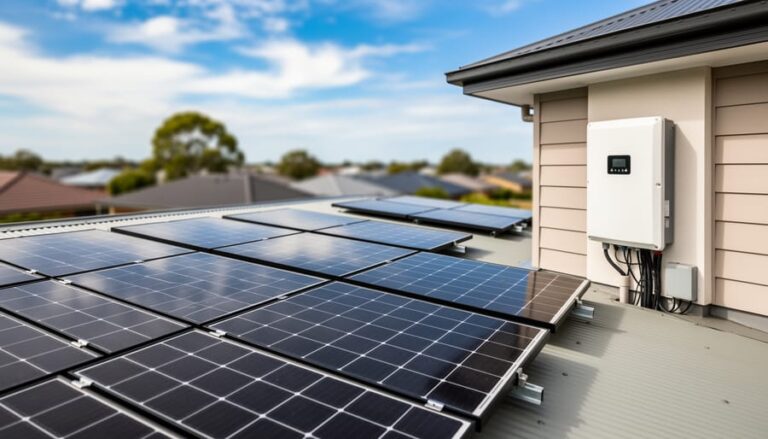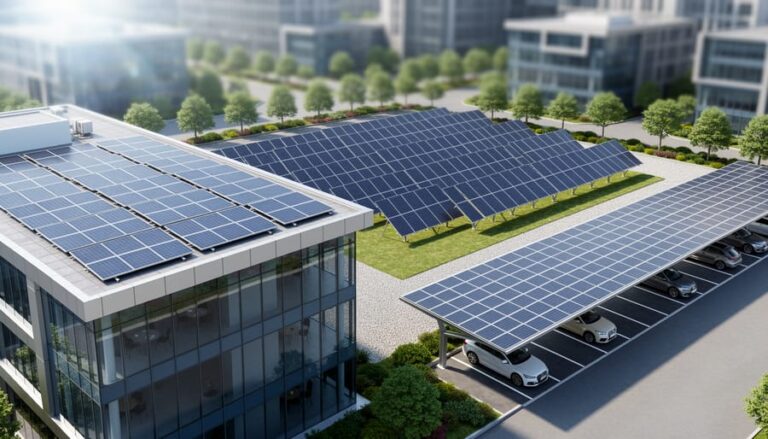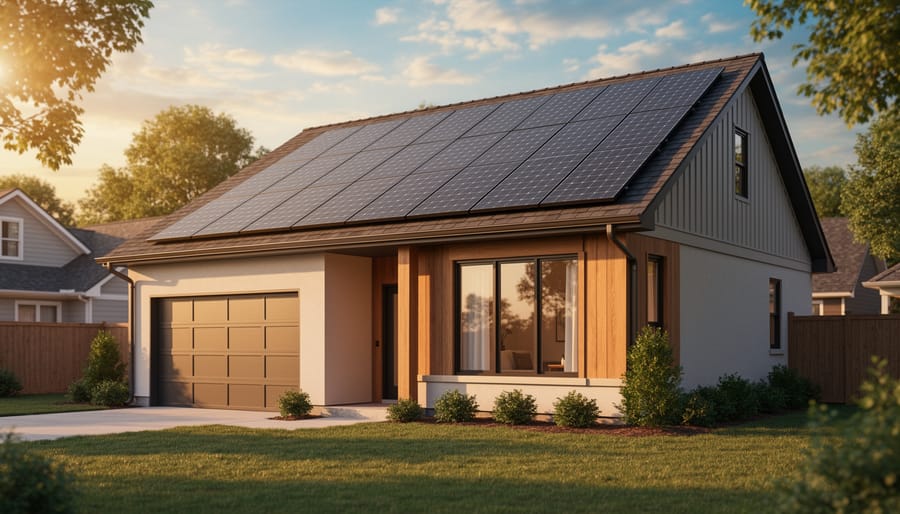
Most Georgia homeowners can expect to pay somewhere in the range of $2.50 to $3.50 per watt before incentives, which puts a typical home system in the neighborhood of $15,000 to $25,000 upfront. That’s a ballpark drawn from the cost in 2023, and it’s a useful starting line, not a quote. Your own number will shift.
Three things move it most. System size comes first, since a larger array costs more in total even as the price per watt tends to drop. Equipment choices come next, from panel quality to whether you add a battery. Then there’s your roof, your installer, and how much sun your home actually gets.
Georgia’s strong sunshine and growing solar community work in your favor. Neighbors comparing notes, local installers competing for business, and evolving state and federal policy all shape what you’ll end up paying. Many homeowners also find that incentives trim the final bill far more than they expected.
This guide breaks down cost by system size, shows where each dollar goes, explains what pushes prices up or down, and weighs DIY against hiring a pro. By the end, you’ll know what a fair price looks like and where to look for savings.
What Georgia Homeowners Typically Pay, by System Size
Understanding Cost Per Watt in Plain English
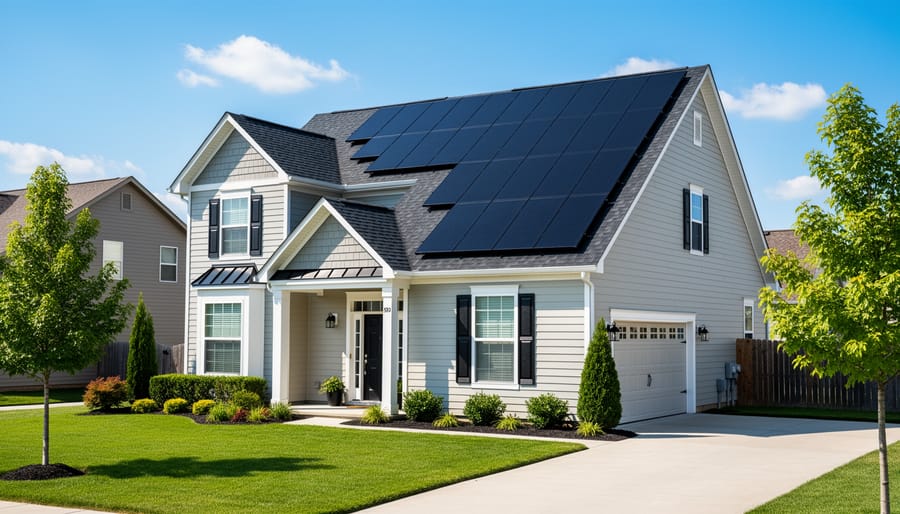
Cost per watt is simply the total price of a solar system divided by its size in watts. If a 6,000-watt system costs $18,000 before incentives, that’s $3.00 per watt. It’s the solar version of price per ounce at the grocery store: it lets you compare a small quote and a large one on equal footing.
That’s why it’s the fairest way to judge installers. One company may quote a bigger system at a bigger total, and another a smaller one for less, but only the per-watt number shows who is actually charging more for the same capacity. For a sense of how this shapes your total, see the rooftop cost in 2026 overview.
The figures below are rough estimates for planning, not quotes, so confirm them against local bids.
| System size | Who it suits | Approx. price before incentives | Approx. cost per watt |
|---|---|---|---|
| Small | Condos, small homes, low usage | $9,000 to $15,000 | $2.75 to $3.50 |
| Mid-size | Typical family home | $15,000 to $24,000 | $2.50 to $3.25 |
| Large | Big homes, electric heating, EV charging | $24,000 to $35,000 | $2.40 to $3.10 |
Notice that larger systems often cost a little less per watt, since fixed costs like permitting get spread across more panels.
Where Your Money Goes: A Cost Breakdown
Optional Add-Ons: Batteries and Monitoring
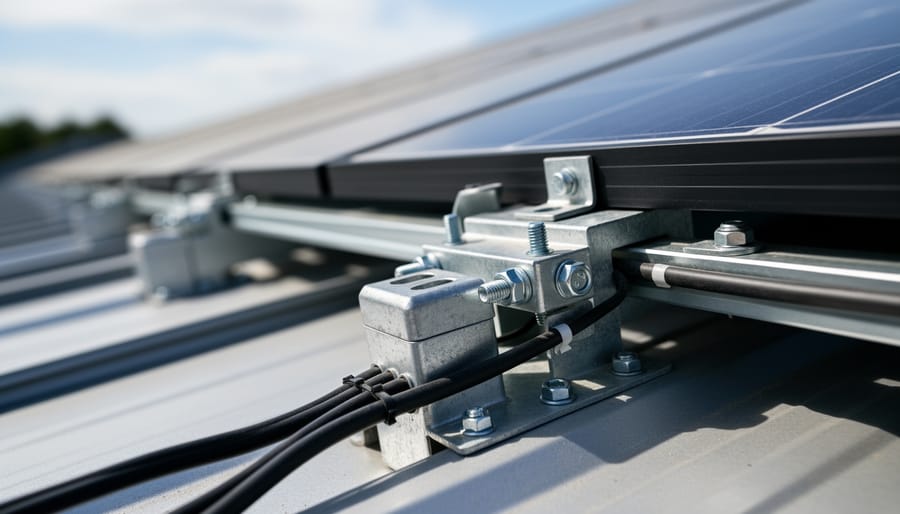
Some Georgia homeowners add a battery or a monitoring system to their solar setup. A battery stores extra daytime power for evenings and outages, which supports backup power and a measure of energy independence. Monitoring tools show how much your panels produce, so you can spot problems early. Both add to the quote, and battery storage is usually the larger extra. Because these items count as solar equipment in their own right, ask installers to price them separately so you can see what each one adds.
When you review a quote, expect these general cost components, with shares that vary by installer and project:
- Equipment: panels, inverter, and racking, often the largest slice at roughly a third to a half of the total.
- Labor: the crew that designs and installs the system, commonly about 10 to 20 percent.
- Permits and utility connection: the paperwork and approvals for local codes and interconnection, usually a small share.
- Installer overhead: business costs and profit margin, often 10 to 25 percent.
Treat these shares as rough guides and confirm them against your own local quotes.
What Pushes Your Price Up or Down in Georgia
Two homes on the same street can get quotes that differ by thousands of dollars. That’s normal. Solar pricing responds to the details of your house, your equipment choices, and how you pay. Here are the main factors, roughly in order of how much they tend to move the final number:
- System size. More panels mean a higher total, though the cost per watt often dips a little as systems get larger.
- Roof layout. A large, simple, south-facing roof is the cheapest to equip. Steep pitches, multiple small roof planes, or awkward angles take more labor and racking, which raises the price.
- Shading. Heavy tree cover can mean extra panels, special equipment, or tree trimming to hit your energy goals.
- Panel quality and efficiency. Premium high-efficiency panels cost more per panel but produce more power in less space, which helps on smaller roofs.
- Inverter type. Microinverters or power optimizers usually cost more than a single string inverter, but they can recover more energy on shaded or complex roofs.
- Installer choice. Overhead, experience, and local competition all show up in the quote. Georgia’s busier markets tend to give you more installers to compare.
- Electrical panel upgrades. An older or crowded service panel may need updating before solar can connect safely, adding a separate line item.
- Financing method. Paying cash keeps the sticker price lowest. Loans add interest, and leases or power purchase agreements swap ownership for lower upfront costs.
Georgia’s sunshine works in your favor. Much of the state gets strong sun exposure through the year, so a well-placed system can produce reliably and make good use of every panel you pay for. That doesn’t change the price tag, but it can improve what you get back for it.
Because every roof is different, the most useful step is gathering several local quotes and comparing them line by line. Ask each installer to spell out panel brand, inverter type, and any extra electrical work, so you’re comparing like with like. A slightly higher quote that includes better equipment or a needed upgrade may be the better value over the long run.
Bringing the Price Down: Incentives and Savings Georgia Homeowners Should Check
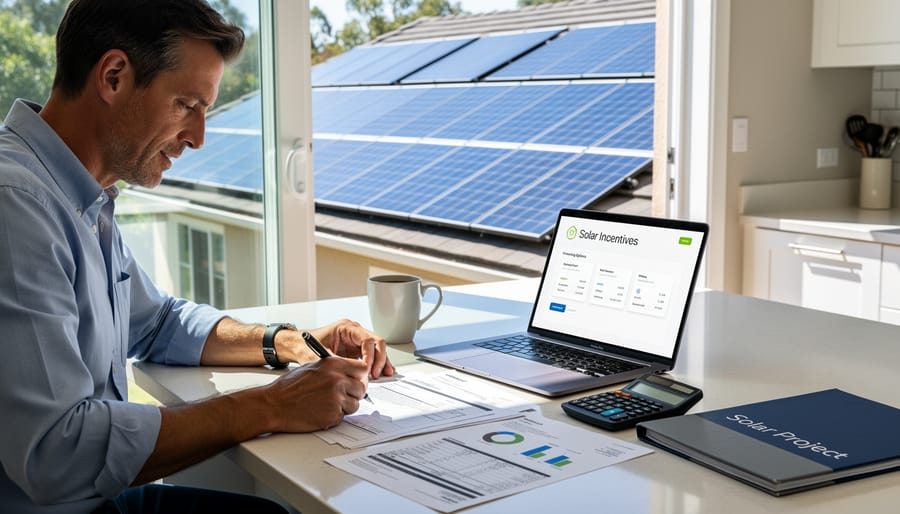
The sticker price on a solar quote is rarely what you end up paying. Several types of incentives can shrink the net cost, and it’s worth checking each one before deciding whether solar fits your budget.
The biggest lever for most homeowners is the federal residential clean energy tax credit, which lets you claim a percentage of qualifying system costs on your federal return. Eligibility, percentages, and deadlines have shifted over the years, so read the current IRS guidance on the credit and talk with a tax professional about how it applies to your household.
Next, look closer to home. Georgia may offer state or local programs, and some utilities run their own rebates or special rates for solar customers. These come and go, so ask each installer which ones they see homeowners using right now, then confirm with the program administrator.
Net metering or buyback policies deserve a close look too. They determine how your utility credits you for extra power your panels send back to the grid. A more generous arrangement shortens the time it takes to earn back your investment, while a less generous one can stretch it out. Ask your utility to explain its current terms in writing.
Finally, check how your property and purchases are taxed. Some states and localities treat solar equipment gently when it comes to property or sales tax, and the details can affect your total cost.
Incentives are also a community story. Stable, supportive policy makes it easier for neighbors to say yes to solar, and each new installation builds local know-how and confidence. That’s why policy matters to the homeowner on your street. You can add your voice by following your utility’s public discussions and sharing your experience with state and local officials as they weigh solar-related decisions.
DIY or Professional Installation: What Each Path Costs You
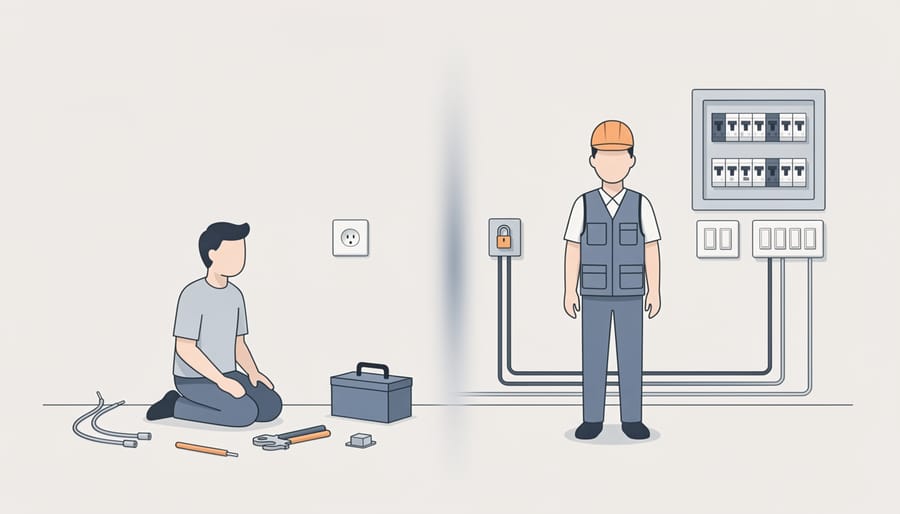
When you’re looking at the cost of solar panels in Georgia, a do-it-yourself build can look like an easy way to trim the bill. Skipping professional labor may save a meaningful share of the upfront price, but the savings come with trade-offs worth weighing before you pick up a drill.
The challenge is that solar is more than bolting panels to a roof. Permits, utility interconnection, and electrical work all have to be done correctly, and the details of the residential installation steps show how many moving parts there are. Here’s how the two paths compare.
Pros
- Professional installers handle permits and utility paperwork, saving you weeks of back-and-forth.
- Licensed electricians reduce the risk of wiring mistakes and fire hazards.
- Workmanship and roof-penetration warranties usually stay intact.
- Many incentives and loans require a licensed installer, which keeps you eligible.
- Your time stays free for everything else, since a crew can finish in days.
Cons
- Labor and installer overhead raise your upfront cost compared with DIY.
- You have less hands-on control over day-to-day decisions.
- DIY can cut the labor line, but a single costly error may erase those savings.
- A DIY system may be refused utility interconnection or void warranties.
This is why most homeowners choose a licensed installer. You’re paying for safety, paperwork handled correctly, and a system that keeps its warranties and incentive eligibility.
That doesn’t mean you have to sit on the sidelines. A partial DIY approach can still lower your costs and deepen your understanding. You might clear tree branches, review your past electric bills, learn how your roof’s angle affects output, or gather several quotes to compare. The more prepared you are, the smoother the project goes and the better your questions will be.
Common Questions About Solar Costs in Georgia
How long does it take for solar panels to pay for themselves in Georgia?
Payback depends on system cost, your electricity use, and available incentives, and many homeowners see it fall somewhere in the range of roughly 8 to 15 years. A solar quote that models your actual bills will give you a far better estimate than any general rule of thumb.
Do solar panels increase home value?
Owned systems are often viewed favorably by buyers because they lower ongoing energy costs. The size of any boost varies by market, so ask a local appraiser or real estate agent what to expect near you.
How many quotes should I gather, and what financing exists?
Collecting three or more quotes makes it easier to spot fair pricing and compare equipment on a cost-per-watt basis. Common financing paths include paying cash, taking a solar loan, or signing a lease or power purchase agreement, each with different long-term costs.
Do solar panels have ongoing maintenance costs?
Panels have no moving parts, so upkeep is usually light, mostly occasional cleaning and periodic checks. Inverters may eventually need replacing, so it helps to factor that into your long-term budget.
Whatever your budget looks like, the most useful move is to start small with questions and let real local quotes fill in the numbers. Solar fits households in many different situations, and an honest conversation with a licensed installer will show you which path suits yours.
The real cost of going solar in Georgia comes down to three things: the size of your system, the equipment you choose, and the incentives you can claim. None of them is fixed, which is why your neighbor’s price may look very different from yours.
The smartest next step is simple. Gather several local quotes, compare them on cost per watt, and ask each installer to explain what’s included.
When you go solar, you join a growing community of Georgians choosing cleaner energy. Stay curious about local and state policies, too. Supportive rules make solar more accessible for everyone, one rooftop at a time.