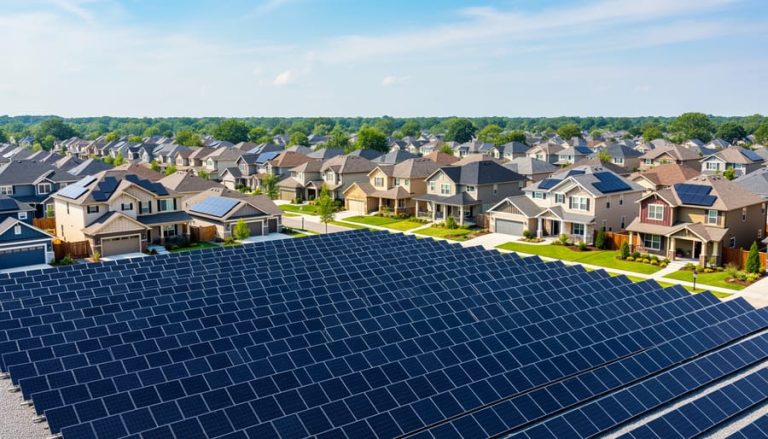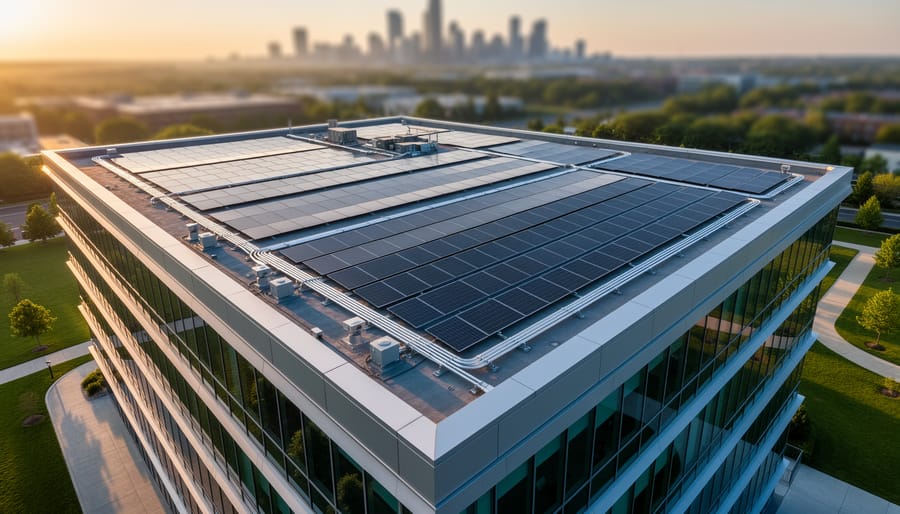
Evaluate solar-ready offices for sale by examining roof orientation, structural load capacity, and existing electrical infrastructure before making purchase decisions. These properties represent a transformative opportunity for forward-thinking investors and business owners who recognize that sustainability and profitability now walk hand in hand.
Solar-ready office buildings eliminate the guesswork and costly retrofitting typically associated with renewable energy adoption. When you acquire a property designed with solar infrastructure in mind, you’re purchasing more than square footage—you’re securing lower operating costs, enhanced property values, and alignment with global environmental commitments that increasingly influence tenant preferences and regulatory frameworks.
The commercial real estate landscape is shifting dramatically. Companies today actively seek workspace that reflects their sustainability values, while energy costs continue pressuring operational budgets. Solar-ready buildings bridge these concerns by offering pre-assessed roofing systems, reinforced structures capable of supporting panel installations, and electrical systems configured for seamless solar integration.
Understanding what makes a building truly solar-ready empowers you to identify genuine opportunities versus superficial claims. Look for documented engineering assessments confirming roof integrity, adequate south-facing exposure, and electrical panels with sufficient capacity for solar tie-ins. Properties meeting these criteria deliver immediate installation potential, reducing your timeline from purchase to energy savings.
This investment isn’t just about individual benefit—it represents participation in a broader movement toward energy independence and environmental stewardship that strengthens communities and reduces collective carbon footprints.
What Makes an Office Building Solar-Ready?
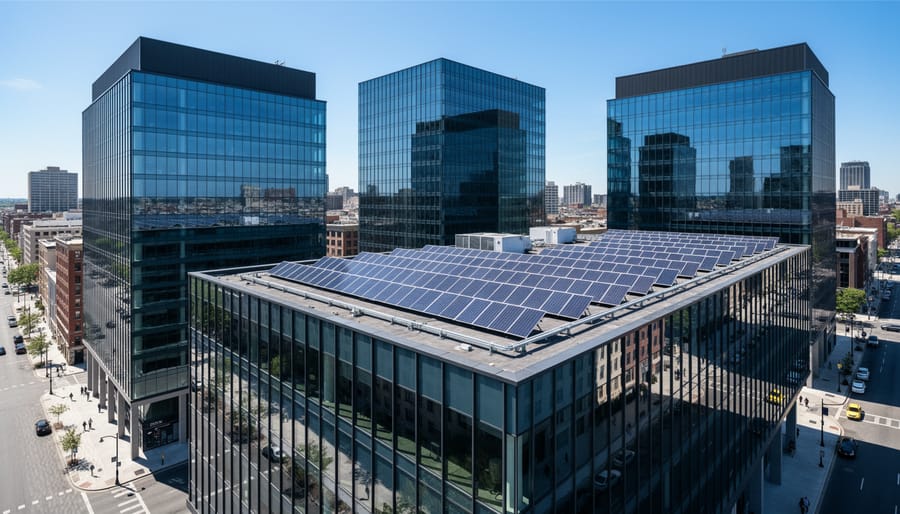
The Basic Infrastructure Requirements
When evaluating a solar-ready office building, understanding the core infrastructure elements helps you make an informed investment decision. Think of solar-readiness as a building’s preparedness to embrace clean energy without requiring extensive modifications.
The foundation starts with roof integrity. A solar-ready building features a structurally sound roof capable of supporting the weight of solar panels, typically adding 3-4 pounds per square foot. The roof should have at least 15-20 years of remaining lifespan, ensuring you won’t need to remove panels for repairs shortly after installation. Southern-facing roof sections with minimal shading offer optimal positioning, though modern panel technology has made east and west orientations increasingly viable.
Electrical infrastructure is equally crucial. Solar-ready buildings include electrical panels with sufficient capacity to handle the additional circuits solar systems require. Look for main service panels rated at 200 amps or higher, with available breaker slots for connecting the solar array. Many forward-thinking developers include clearly labeled sections specifically designated for renewable energy integration.
Perhaps the most telling sign of true solar-readiness is pre-installed conduit pathways. These empty tubes create routes from the roof to the electrical room, eliminating the need for costly drilling or exterior wiring later. This thoughtful detail saves thousands in installation costs and demonstrates a builder’s commitment to sustainability.
These fundamental elements transform solar adoption from a complex renovation project into a straightforward enhancement, making your transition to renewable energy both affordable and efficient while positioning your business as an environmental leader in your community.
Beyond the Basics: Future-Proofing Features
When evaluating solar-ready office buildings, look beyond the rooftop. The most forward-thinking properties include infrastructure that supports your evolving sustainability goals. Battery storage readiness is increasingly valuable, allowing you to store excess solar energy for use during peak demand hours or power outages. This capability not only maximizes your renewable energy investment but also provides energy independence that protects your business operations during grid disruptions.
Electric vehicle charging station compatibility represents another essential consideration. As more employees and clients transition to electric vehicles, having pre-installed conduits and dedicated electrical capacity positions your building as an attractive workspace. This amenity demonstrates environmental leadership while adding tangible value for tenants and visitors alike.
Smart building integration takes your sustainability efforts further by connecting solar systems with intelligent energy management platforms. These systems optimize energy consumption patterns, provide real-time monitoring, and enable data-driven decisions that reduce waste. Communities of businesses adopting these technologies are collectively driving demand for stronger renewable energy policies and infrastructure investments.
When touring properties, ask specifically about these future-ready features. Buildings designed with expansion in mind offer flexibility as technology advances and your sustainability ambitions grow. This comprehensive approach ensures your investment remains competitive and environmentally responsible for years ahead.
The Financial Case for Buying Solar-Ready
Lower Operating Costs From Day One
Investing in a solar-ready office building starts paying dividends from the moment you transition to solar energy. These properties significantly reduce monthly utility bills, with typical commercial buildings seeing energy cost reductions of 50 to 75 percent once solar panels are installed. For a mid-sized office, this translates to savings of $1,000 to $3,000 each month, money that flows directly back into your business operations.
Beyond electricity savings, solar-ready infrastructure minimizes installation costs because the essential groundwork is already complete. You avoid expensive structural reinforcements, electrical upgrades, and permitting delays that traditional buildings require. This means your solar investment reaches profitability faster, often within five to seven years rather than ten or more.
The operational benefits extend beyond your electric bill. Many communities offer property tax incentives for buildings with renewable energy systems, while tenants increasingly seek sustainable workspaces, allowing you to command premium lease rates. These combined advantages create a compelling financial picture that appeals to both environmentally conscious business owners and savvy investors focused on long-term returns. The predictability of solar energy costs also protects you from volatile utility rate increases, providing budget stability that makes financial planning remarkably straightforward.
Tax Incentives and Rebate Programs
Investing in a solar-ready office building opens doors to significant financial advantages through various incentive programs designed to accelerate renewable energy adoption. At the federal level, the Investment Tax Credit (ITC) currently allows commercial property owners to deduct a substantial percentage of solar installation costs from their federal taxes. This credit has been a game-changer for businesses transitioning to clean energy, making the financial case for solar increasingly compelling.
Beyond federal programs, many states offer additional tax credits, grants, and expedited permitting processes specifically for commercial solar projects. Some municipalities provide property tax exemptions, meaning the added value from your solar installation won’t increase your property tax burden. Local utility companies often participate through net metering programs, allowing you to receive credits for excess energy your system generates and returns to the grid.
These combined incentives can significantly reduce your overall investment timeline and improve returns. When exploring financing options, factor in these programs alongside the property purchase price. Working with a knowledgeable solar consultant and tax professional ensures you maximize available benefits. Remember that incentive programs evolve, so staying informed about current offerings in your specific location helps you make the most strategic investment decision for your commercial property.
Property Value Appreciation
Investing in solar-ready office buildings positions you ahead in today’s competitive commercial real estate market. Properties equipped with solar infrastructure consistently command higher resale values, with studies showing premiums of 4-6% compared to conventional buildings. This financial advantage stems from growing buyer recognition that solar-ready features represent future-proofing against rising energy costs.
Quality tenants increasingly prioritize sustainability when selecting office spaces, viewing it as essential to their corporate identity and employee satisfaction. Businesses committed to environmental responsibility willingly pay premium lease rates—often 5-10% above market average—for spaces that align with their values. These tenants typically maintain longer lease terms and demonstrate greater property care, reducing turnover costs and vacancy periods.
The community-driven movement toward renewable energy means properties with solar capabilities attract attention from environmentally conscious companies seeking to demonstrate leadership. From an investment perspective, solar-ready buildings appeal to a broader buyer pool when you eventually sell, accelerating transactions and strengthening negotiating positions. This combination of immediate rental income advantages and long-term appreciation potential makes solar-ready office buildings a strategic choice for investors building sustainable, profitable portfolios.
Environmental Impact That Matters to Your Community
Reducing Your Carbon Footprint at Scale
When your business transitions to a solar-ready office building, you’re not just making a smart financial decision—you’re creating measurable environmental change at a scale that truly matters. Commercial buildings account for a significant portion of energy consumption in our communities, which means every business that adopts solar energy creates ripple effects far beyond their own operations.
To put this in perspective, a typical 10,000 square-foot office building equipped with solar panels can offset approximately 50 to 75 tons of carbon dioxide annually. That’s equivalent to planting around 1,200 trees each year or removing ten passenger cars from the road permanently. When you consider that commercial properties often have larger roof spaces than residential homes, the potential for impact multiplies dramatically.
Your decision to invest in solar-ready commercial real estate also influences the broader business community. As more companies demonstrate the viability and benefits of renewable energy, you’re helping create a new standard for sustainable business practices. This community-driven shift toward clean energy doesn’t just reduce emissions—it sends a powerful message to policymakers about the demand for supportive renewable energy infrastructure and incentives, accelerating the transition to a sustainable future for everyone.
Building a Sustainable Business Reputation
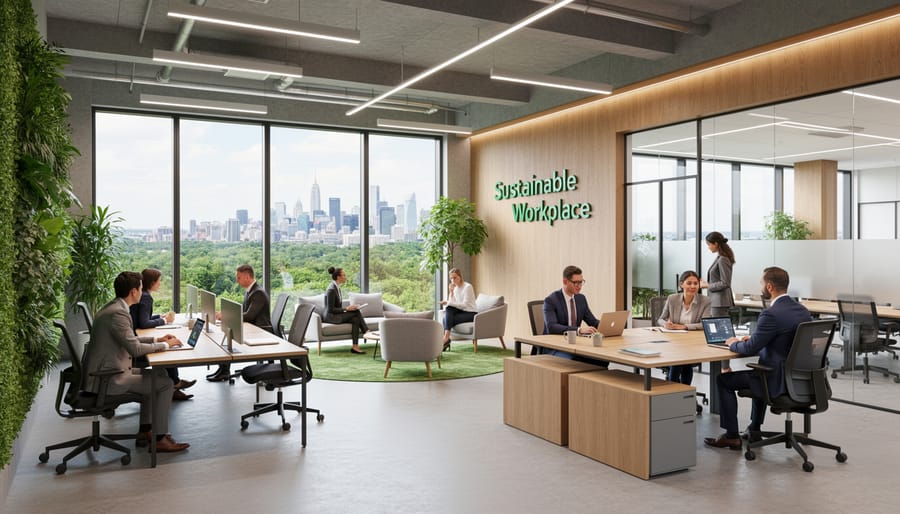
Choosing a solar-ready office building sends a powerful message to everyone who interacts with your business. When you invest in renewable energy infrastructure, you’re making a visible commitment to environmental stewardship that resonates with employees, clients, and your broader community. This decision positions your company among forward-thinking organizations leading the transition to clean energy.
Today’s workforce increasingly seeks employers whose values align with their own. Solar-ready facilities demonstrate your commitment to sustainability, helping you attract and retain talented professionals who care about environmental impact. Similarly, clients and partners are paying attention to corporate responsibility, often preferring to work with businesses that prioritize ecological practices.
Your building becomes more than just office space—it transforms into a statement of purpose. Visitors immediately recognize your dedication to reducing carbon emissions and supporting renewable energy adoption. This reputation advantage extends beyond your immediate circle, as community members and local policy makers take notice of businesses championing sustainable development.
The ripple effect of your decision matters too. When established businesses embrace solar-ready infrastructure, they inspire others in their industry and neighborhood to follow suit. You become part of a growing movement proving that commercial success and environmental responsibility aren’t competing priorities—they’re complementary goals that strengthen both your bottom line and your community’s future.
What to Look for When Shopping for Solar-Ready Offices
Questions to Ask Before You Buy
Before committing to a solar-ready office building, conducting thorough due diligence protects your investment and ensures the property truly delivers on its sustainable promise. Start by examining the roof’s current condition and remaining lifespan. You’ll want to know when the roof was last replaced and whether it can support solar panel installation for at least twenty-five years without requiring costly replacement mid-contract. Ask for documentation of recent roof inspections and any warranty information.
Next, investigate the building’s electrical infrastructure. Request details about the electrical panel’s capacity and whether upgrades are needed to accommodate solar energy systems. Understanding these requirements upfront helps you budget accurately and avoid surprises during installation. A comprehensive solar viability assessment can clarify these technical aspects in accessible terms.
Don’t overlook the regulatory landscape. Ask sellers about existing permits, any pre-approved solar plans, and whether the building complies with local zoning ordinances for solar installations. Some communities offer streamlined permitting for solar-ready properties, which accelerates your timeline and reduces administrative costs.
Finally, inquire about utility interconnection agreements and whether net metering is available in your area. Understanding local incentives, rebates, and renewable energy policies helps you maximize financial returns while contributing to your community’s clean energy goals. These conversations with sellers, inspectors, and local authorities transform your purchase from a simple transaction into an informed step toward sustainable business operations.
Working with the Right Professionals
Assembling the right team transforms your solar-ready office building search from overwhelming to achievable. Start by connecting with a commercial real estate agent experienced in green buildings who understands both traditional property value and sustainable features. Their expertise helps identify truly solar-ready properties versus those requiring extensive modifications.
Next, bring a solar consultant into your evaluation process early. These professionals assess roof conditions, electrical infrastructure, and local solar potential, translating technical specifications into clear financial projections. They’ll help you understand whether a property’s solar-ready features align with your energy goals and budget.
Consider hiring an independent energy auditor to provide comprehensive baseline data. They’ll evaluate current energy consumption patterns, identify efficiency opportunities, and project potential solar savings. This information proves invaluable during negotiations and long-term planning.
Don’t overlook community resources either. Many local sustainability networks and renewable energy cooperatives offer guidance and connect buyers with trusted professionals. These community-driven connections often reveal insights about regional incentives, installation timelines, and contractor reliability that you won’t find through conventional channels.
Together, this collaborative team ensures you make informed decisions that benefit both your bottom line and environmental commitments.
From Solar-Ready to Solar-Powered: Planning Your Installation
Timeline and Installation Process
Understanding the timeline for solar installation helps you plan your office building investment wisely. For solar-ready buildings, the process typically takes three to six months from initial design to system activation, considerably faster than standard installations.
The journey begins with a site assessment and system design phase, lasting two to four weeks. During this period, engineers evaluate your roof structure, electrical capacity, and energy needs while choosing qualified installers who understand commercial projects. Next comes permit acquisition, which can take four to eight weeks depending on local regulations. Your solar-ready infrastructure significantly accelerates this phase since foundational requirements are already verified.
Physical installation follows, requiring one to three weeks for most commercial systems. Crews will mount panels, connect electrical components, and integrate with your building’s existing conduit and electrical systems. The final phase involves utility interconnection and inspection, adding another two to four weeks.
Throughout this process, you’ll maintain communication with your installation team and local utility company. Many building owners continue normal operations during installation, experiencing minimal disruption. This timeline represents a valuable investment in your property’s long-term sustainability and operational cost reduction.
Choosing the Right Solar System Size
Selecting the right solar system size for your office building requires balancing three key factors: your current and projected energy consumption, available budget, and the physical capacity of your property. Start by reviewing at least 12 months of utility bills to understand your baseline energy needs and peak usage patterns. This data helps you determine whether to offset a portion or all of your electricity consumption.
Solar-ready buildings offer flexibility in choosing between various types of solar installation that match your operational requirements. Consider starting with a system sized to cover your base load, with room for future expansion as your business grows or as additional capital becomes available. Many commercial buyers find success with phased approaches, installing initial capacity immediately while leveraging the building’s solar-ready infrastructure for cost-effective additions later.
Consult with local solar installers who understand community-specific incentives and regulations. They can assess your roof or ground space limitations and recommend optimal configurations that maximize return on investment while supporting your sustainability commitments.
How Solar-Ready Buildings Support Broader Energy Goals
When you invest in a solar-ready office building, you’re doing more than making a smart business decision—you’re contributing to a larger movement toward sustainable communities. Each property equipped with solar infrastructure brings us closer to widespread renewable energy adoption and helps demonstrate the viability of clean power in commercial settings.
Solar-ready buildings play a crucial role in helping cities and regions meet their renewable energy targets. Many municipalities have set ambitious climate action goals, and commercial properties represent significant energy consumers. By choosing solar-ready infrastructure, you position your business to participate in local sustainability initiatives and potentially benefit from incentive programs designed to accelerate the transition to clean energy.
These properties also influence broader market trends. When businesses invest in solar-capable buildings, they signal to developers and policymakers that sustainability features matter. This creates a ripple effect, encouraging more construction projects to include solar readiness from the ground up rather than as costly retrofits. Your purchasing decision becomes part of a collective voice advocating for greener building standards.
Community solar programs and rooftop solar systems work hand-in-hand to diversify our energy portfolio. Solar-ready commercial buildings strengthen the infrastructure foundation needed for comprehensive renewable energy networks. As more properties come online with solar capabilities, we build resilience into our power grids and reduce dependence on traditional energy sources, creating healthier, more sustainable communities for everyone.
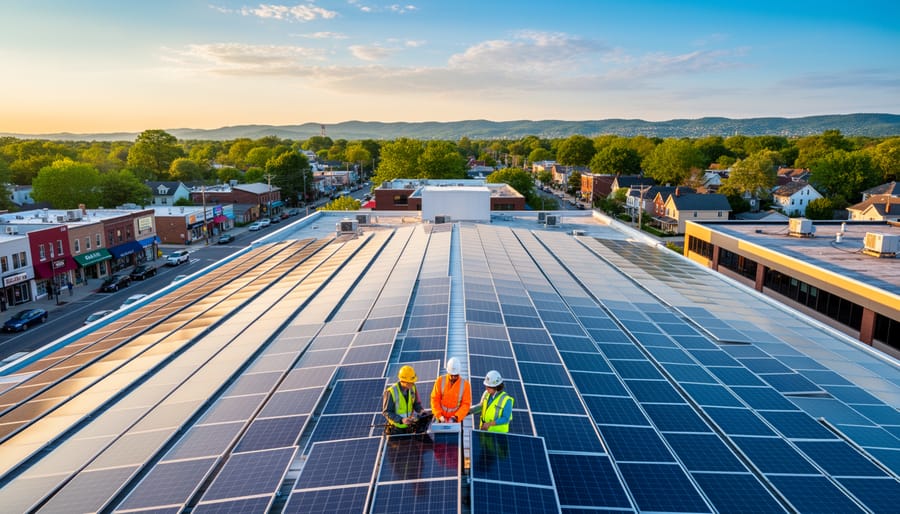
Choosing a solar-ready office building represents more than a property transaction—it’s an investment in your business’s future and a meaningful contribution to our collective environmental goals. As communities across the nation embrace renewable energy, forward-thinking business owners and investors are recognizing that solar-readiness isn’t just a nice-to-have feature; it’s becoming essential infrastructure for competitive, responsible operations.
When you prioritize solar-ready capabilities in your property search, you’re positioning your business to benefit from reduced operating costs, enhanced property values, and the growing preference among clients and employees for sustainable workplaces. These buildings offer immediate pathways to energy independence while supporting local and national transitions toward cleaner energy sources.
As you evaluate offices for sale, make solar-readiness a non-negotiable criterion alongside traditional considerations like location and square footage. Ask the right questions, verify the infrastructure, and envision the long-term possibilities. Your decision today ripples outward, influencing industry standards, encouraging developers to prioritize sustainable design, and demonstrating that commercial real estate can drive environmental progress.
The movement toward sustainable commercial spaces begins with informed choices. By selecting a solar-ready office building, you’re not just securing property—you’re joining a community of innovators building a brighter, cleaner future for business.