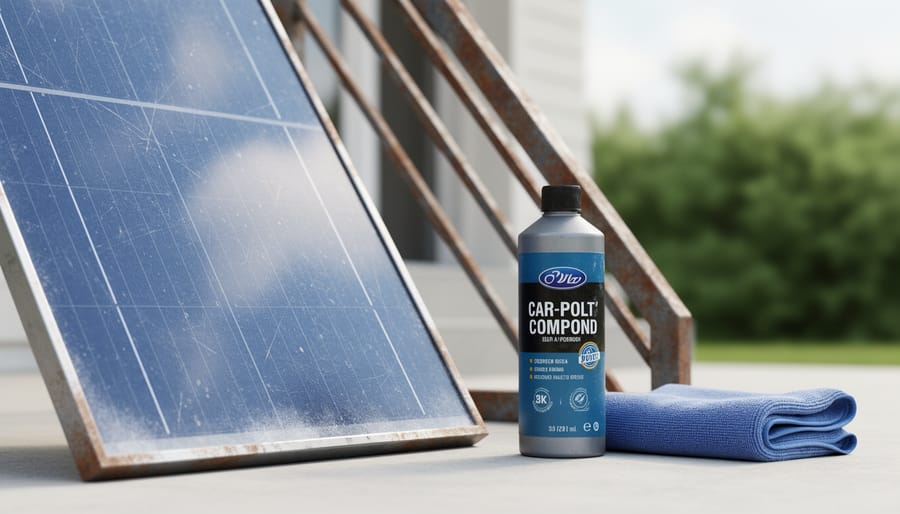
Polishing compound is a mild abrasive paste or liquid designed to remove oxidation, scratches, and imperfections from surfaces, restoring shine and protecting materials from further degradation. For homeowners committed to sustainable living, mastering this simple tool transforms the buy-less-maintain-more philosophy from abstract ideal into tangible practice.
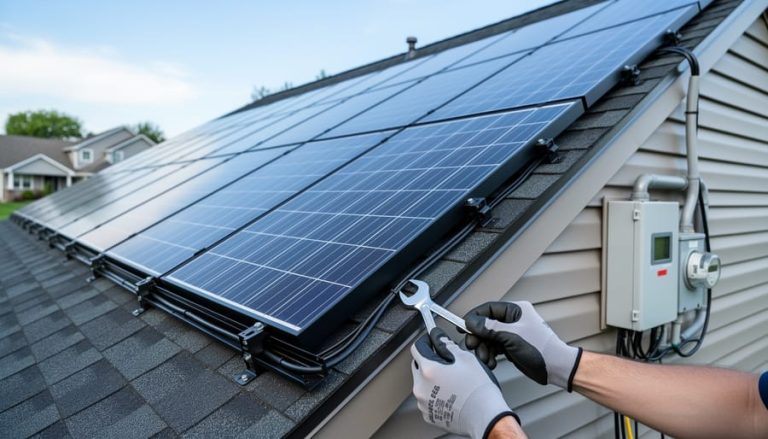
The environmental case for polishing compound is straightforward. Every item you restore instead of replace keeps raw materials in the ground, manufacturing emissions out of the atmosphere, and perfectly functional objects out of landfills. Solar panels, the centerpiece of many sustainable homes, benefit directly from proper maintenance with specialized compounds that preserve efficiency without requiring premature replacement. The same principle extends throughout your home: weathered outdoor fixtures, clouded windows, oxidized metal railings, and dulled appliances all regain function and beauty with the right polishing approach.
This matters now more than ever. As communities nationwide adopt renewable energy and pursue conservation goals, the unglamorous work of maintenance becomes a quiet form of environmental action. Local solar cooperatives already recognize this, sharing maintenance workshops that help members extend the life of their installations. Policy conversations increasingly emphasize circular economy principles, where product longevity counts as much as initial efficiency ratings.
Understanding how polishing compounds work, which formulations suit different materials, and when to apply them empowers you to make informed maintenance decisions. From car polishing compound that revives faded paint to specialized blends for metal, glass, and plastic, the right product paired with proper technique can add years to items you already own. This article breaks down everything you need to know, translating professional detailing and restoration knowledge into practical steps for the conservation-minded homeowner.
What Polishing Compound Actually Is
Polishing compound is a fine abrasive material, usually in paste or liquid form, designed to smooth and restore surfaces that have become dull, scratched, or oxidized over time. Think of it as a precision tool that removes microscopic layers of degraded material to reveal the clean, functional surface underneath. Unlike harsh scrubbing powders that attack surfaces indiscriminately, polishing compound works through controlled abrasion, gentle enough to preserve the underlying material while aggressive enough to remove damage.
The compound itself contains three essential components working together. First, the abrasives, tiny particles of materials like aluminum oxide, silica, or jeweler’s rouge, do the actual surface work. These particles are graded by size, with finer particles creating smoother finishes. Second, a carrier substance (often water, oil, or wax) holds the abrasives in suspension and allows the compound to spread evenly across the surface you’re restoring. Third, lubricants reduce friction during application, preventing the abrasives from cutting too aggressively and helping the compound glide rather than grab.
- Abrasive Compound
- Any polishing product containing fine particles designed to remove material from a surface. The term covers everything from heavy cutting compounds to ultra-fine finishing products.
- Cutting Compound
- A coarse-grit polishing compound used for heavy restoration work, removing deep scratches, oxidation, and significant surface damage. This is your first step when bringing badly degraded items back to life.
- Finishing Compound
- A very fine polishing compound that creates the final shine after heavier work is complete. It removes the micro-scratches left by cutting compounds and brings surfaces to their maximum gloss.
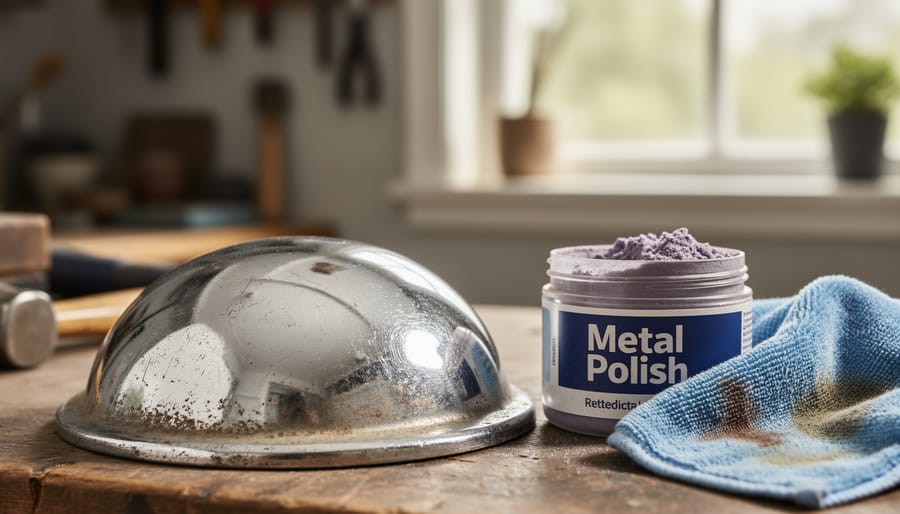
- Metal Polish
- Polishing compound specifically formulated for metal surfaces, often containing chemicals that inhibit future oxidation alongside the abrasives. Common for brass, aluminum, stainless steel, and chrome restoration.
What makes polishing compound valuable for conservation is its ability to restore function and appearance without replacement. When a solar panel mounting bracket dulls from weather exposure or a copper fixture tarnishes, the underlying material remains perfectly sound, it just needs surface renewal. The compound removes only what’s damaged, preserving the bulk of the product and extending its useful life by years or even decades.
How Polishing Compound Works to Restore Surfaces
The Restoration Process Step by Step
The restoration process starts with a simple assessment: run your finger across the surface. If it feels rough, chalky, or shows visible oxidation, polishing will help. Start with the mildest compound that addresses the problem, you can always step up if needed, but you can’t undo overly aggressive polishing.
Clean the surface thoroughly before you begin. Dirt and debris act like sandpaper under a polishing pad, creating new scratches instead of removing old ones. A basic soap-and-water wash followed by complete drying sets you up for success.
Apply a small amount of compound to a soft cloth or foam applicator pad. Less is more here, a dab the size of a quarter covers a surprisingly large area. Work in small sections using circular or back-and-forth motions with light to moderate pressure. Let the compound do the work rather than muscling through it.
As you work, the compound breaks down and the surface begins to shine. When the area looks uniform and the haze clears, wipe away residue with a clean microfiber cloth. Check your progress. If deeper scratches remain, apply a second pass with the same technique.
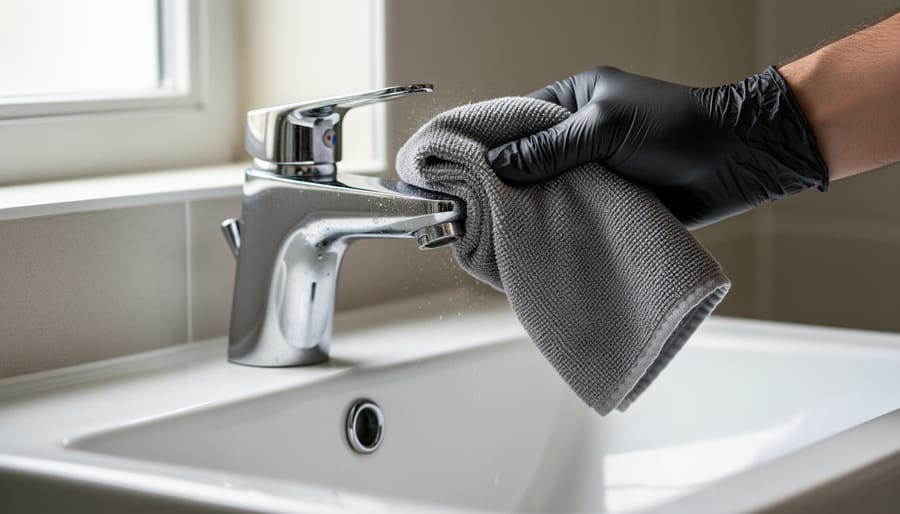
Finish by buffing the entire restored area with a clean, dry cloth to remove any remaining film. The surface should feel smooth to the touch and show a consistent appearance. This same basic workflow works whether you’re restoring a solar panel frame or a kitchen faucet.
Different Types of Polishing Compounds and What They Do
Not all polishing compounds work the same way, and understanding the basic categories helps you pick the right tool for your restoration project. Think of it like choosing between rough, medium, and fine sandpaper, each serves a different purpose in the journey from damaged to restored.
Cutting compounds tackle the heavy lifting. When you’re facing serious oxidation, deep scratches, or years of neglect on a surface, cutting compounds contain coarser abrasive particles that remove more material. They’re designed for significant restoration work where you need to strip away a thin layer of degraded surface to reveal fresh material underneath. You might reach for a cutting compound when reviving badly weathered outdoor fixtures or removing stubborn staining from metal surfaces. The trade-off is they leave fine scratches that require follow-up work, but they excel at bringing severely degraded items back from the brink.
Polishing compounds handle the middle ground. These formulations use medium-grit abrasives that smooth out the minor scratches left by cutting compounds while addressing moderate surface degradation. For most homeowner restoration projects, maintaining solar panel frames that see regular weather exposure, refreshing appliances with light oxidation, or keeping tools in working order, polishing compounds deliver the right balance. They remove enough material to restore function and appearance without being overly aggressive. Many users find polishing compounds versatile enough to be their go-to option for routine maintenance tasks.
Finishing compounds provide the final touch. With the finest abrasive particles, these compounds create the smooth, reflective surface that makes restored items look their best. They remove the microscopic scratches from polishing work and bring out deep shine. Finishing compounds work particularly well on surfaces where appearance matters alongside function, kitchen faucets, decorative metal elements, or any visible fixtures you want to sparkle.
The grit progression mirrors how you’d approach woodworking: start coarse if needed, move to medium for refinement, finish fine for perfection. Most restoration projects don’t require all three steps. Light maintenance might only need a finishing compound, while moderate work typically starts with polishing compound. Severe cases justify the full progression. Match the compound to the damage level, and you’ll restore efficiently without wasting effort or materials.
Where Polishing Compound Makes a Conservation Difference
Maintaining Solar Panels and Fixtures
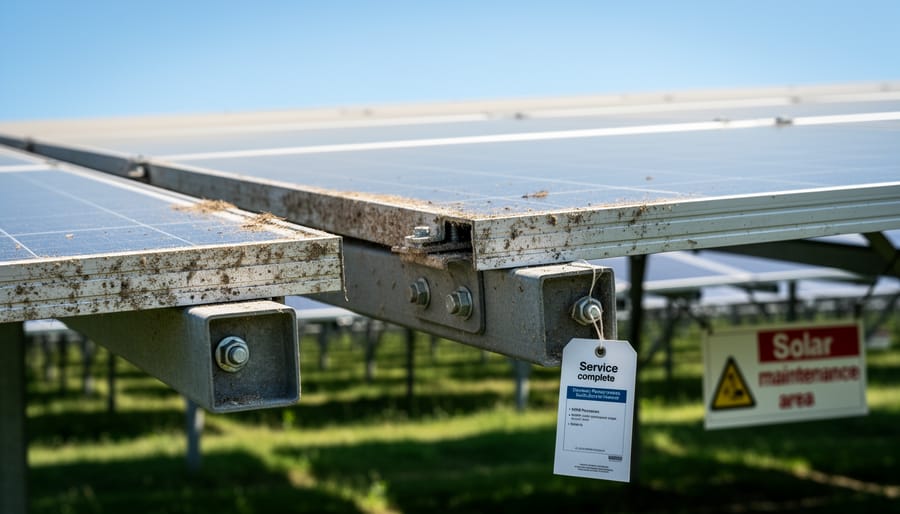
Solar panels live outdoors year-round, and while the glass stays clean with occasional rinsing, the aluminum frames and mounting hardware take a beating from sun, rain, and temperature swings. Over time, oxidation dulls the finish and pits form on brackets and rails. A good polishing compound brings these components back without replacing expensive hardware.
Start with the frame edges. Apply a small amount of cutting compound to a microfiber cloth and work it along oxidized sections using circular motions. You’ll see the chalky residue lift away as the metal brightens. Follow with a finer polish to restore the original sheen. The same approach works for mounting clamps, conduit brackets, and grounding hardware that show corrosion.
This maintenance does more than improve appearance. Restored surfaces shed moisture better and resist further degradation, protecting your investment over decades. Given the solar installation cost keeping every component functional matters. Clean frames also reflect more light onto panel edges, and while most energy comes through the glass, panel cleaning improves output by eliminating shadows and dirt buildup. Understanding solar energy basics helps homeowners recognize that system longevity depends on these small maintenance steps, not just the panels themselves.
Bringing Household Items Back to Life
Your home is full of items that just need refreshing, not replacing. That stainless steel refrigerator with stubborn water spots? A quick pass with polishing compound brings back the showroom finish. Kitchen faucets dulled by hard water deposits shine like new after gentle buffing. Bathroom fixtures, cabinet hardware, and door handles all respond beautifully to restoration work.
Outdoor equipment deserves special attention since weather accelerates degradation. Garden tools, patio furniture frames, and bike components often look beyond saving but typically just need surface restoration. That rusted wheelbarrow or oxidized metal chair frame can serve several more years with proper polishing. Even power tools with scuffed casings and dulled metal parts regain professional appearance through careful compound application.
The conservation math is compelling. Restoring a $40 faucet costs maybe $15 in supplies and 20 minutes of your time. Replacing it costs $120 plus installation, generates packaging waste, and consumes manufacturing resources. Multiply those savings across a dozen household items annually, and you’re making measurable environmental impact while keeping functional products out of landfills.
The Conservation Case: Why Polishing Saves Resources
Every time you restore a surface instead of replacing it, you’re making a choice that ripples through the entire supply chain. Manufacturing new products demands raw materials, energy-intensive processing, transportation, and packaging. A simple metal fixture requires mining ore, smelting, shaping, coating, shipping across continents, and eventually disposal when it fails. Polishing compound short-circuits this entire cycle by keeping what you already own functional for years longer.
The numbers tell a compelling story. Extending a product’s lifespan by just two years can cut its lifetime environmental impact by 30-40%, according to lifecycle analyses. When you multiply that across everything in your home, appliances, tools, fixtures, outdoor equipment, the cumulative resource savings become substantial. You’re not just avoiding one replacement purchase; you’re reducing demand for extraction, manufacturing capacity, and waste processing infrastructure.
This approach aligns perfectly with sustainable living principles. You can apply repair expertise to solar installations and extend that same mindset to everything else you own. Instead of participating in the cycle of planned obsolescence, you’re actively choosing longevity. Your polishing compound becomes a tool of resistance against throwaway culture.
The cost savings matter too. A single container of quality polishing compound costs less than most replacement parts and can restore dozens of items. You’re building equity in what you already own rather than constantly funding new purchases. That’s conservation that benefits both your wallet and the planet.
Common Questions About Polishing Compound
Most homeowners considering polishing compound have practical questions before they get started. These concerns are valid, and understanding the basics helps you approach restoration projects with confidence rather than hesitation.
Is polishing compound safe to use at home?
Yes, when used with basic precautions like working in ventilated areas and wearing gloves to protect your skin. Most modern compounds are formulated for consumer use and pose minimal risk with common-sense handling.
Which surfaces should I avoid polishing?
Skip unsealed wood, soft plastics, and painted surfaces where you want to preserve the existing finish. Test any compound on an inconspicuous area first if you’re uncertain about compatibility.
How often should I polish something?
Only when degradation becomes visible, typically every few years for outdoor items and less frequently for protected indoor surfaces. Over-polishing removes material unnecessarily and defeats the conservation purpose.
How do I choose the right polishing compound?
Match the grit level to your surface condition, start with finer compounds for light work and move to cutting compounds only when needed for heavy oxidation or scratches.
The effort-versus-replacement question matters most to time-conscious homeowners. Polishing a degraded fixture takes 15 to 30 minutes versus hours shopping for, purchasing, and installing a replacement, plus the environmental cost of manufacturing and shipping a new product. When you factor in the extended lifespan you gain, restoration becomes the efficient choice both practically and philosophically.
For solar-related applications, apply the same careful consideration you use when you choose solar equipment select quality compounds designed for metal and glass restoration rather than grabbing the cheapest option. A good compound lasts through multiple projects, making the small upfront investment worthwhile.
If you’re still uncertain, start with a single small project like a tarnished door handle or weathered outdoor light fixture. The immediate visible improvement builds confidence and demonstrates why maintenance deserves a place in your sustainability toolkit. You’ll likely find more restoration opportunities once you see what’s possible.
A tube of polishing compound costs less than twenty dollars and takes up minimal space in your garage or under your sink. Yet this modest tool represents something far bigger than surface restoration. It’s a tangible way to participate in conservation through everyday choices, transforming how we relate to the products already in our homes.
When you choose to restore instead of replace, you’re making a statement about values. You’re rejecting the disposable mindset that treats every scuffed appliance or weathered fixture as waste-in-waiting. You’re recognizing that most things we own still have tremendous useful life left once we remove the surface-level degradation that makes them look worn out.
Take a weekend to walk through your home with fresh eyes. That oxidized solar panel frame doesn’t need replacing. Those clouded headlights, scratched stainless appliances, and dulled tools are all candidates for restoration. Each successful project builds both skill and confidence, proving that maintenance isn’t just possible but deeply satisfying.
The conservation impact multiplies when entire communities embrace this approach. Every household that extends product lifespan through care and restoration reduces collective demand for new manufacturing, eases pressure on resource extraction, and keeps functional items out of landfills. It’s environmental action that doesn’t require policy changes or technological breakthroughs, just a shift in perspective and a willingness to put in modest effort.
Your next restoration project starts with what you already have. The compound handles the surface work. The real transformation happens in recognizing that caring for things is caring for the planet.