Getting hired in solar sales typically requires 36 to 50 hours of focused training covering technical fundamentals, system design basics, and customer consultation skills. Programs like Solar Energy International’s Solar Sales Training course provide this foundation for around $1,200, preparing professionals to enter a field where skilled consultants are bridging the gap between complex renewable technology and homeowners ready to make the switch.
The solar industry faces a unique challenge: millions of families want to embrace clean energy, but they need trusted advisors who can translate technical specifications into real-world benefits. Solar sales professionals serve as that critical link, helping communities understand how photovoltaic systems fit their homes, budgets, and environmental goals. This role goes beyond traditional sales because it requires genuine technical literacy. You’ll need to assess roof conditions, explain net metering policies, calculate projected savings, and address concerns about installation timelines and maintenance.
Training programs address this dual demand by combining renewable energy fundamentals with practical sales methodology. Entry-level courses walk you through system components, energy production calculations, and financing options before moving into consultation techniques and objection handling. More advanced certification paths, like the PV Technical Sales track, extend to 36 hours of specialized coursework in cost analysis and system design. The investment pays off quickly in a field where knowledgeable salespeople command higher commissions and build lasting reputations in their communities.
Whether you’re transitioning from traditional sales, adding solar expertise to an existing construction or real estate background, or starting fresh in the sustainability sector, structured training gives you the credibility homeowners expect and the technical confidence to serve them well.
What You Need Before Starting Solar Sales Training
Good news for career changers and entry-level professionals: most solar sales training programs assume you’re starting fresh. You don’t need a background in solar technology or renewable energy to succeed. Programs are specifically designed to take beginners through the fundamentals in accessible language, so your primary requirement is simply a willingness to learn a new field.
That said, certain tools and qualities will set you up for success:
- A reliable computer and stable internet connection for online coursework and live sessions
- Note-taking materials (digital or physical) to capture key concepts, policy updates, and sales techniques
- Basic comfort with customer interaction or sales conversations, though formal experience isn’t mandatory
- Openness to understanding technical concepts presented in plain language, such as system sizing and ROI calculations
- Budget for course fees, which typically range around $1,195 for entry-level programs
If you’ve worked in customer service, retail, or any role involving client relationships, those skills translate directly to solar sales. You already understand how to listen to customer needs, handle objections, and build trust, the core of effective selling. The training fills in the solar-specific knowledge: how systems work, what incentives apply, and how to communicate value in both environmental and financial terms. Your job is to bring curiosity and commitment to the process; the program will provide the rest.
Important Considerations and Stop Conditions
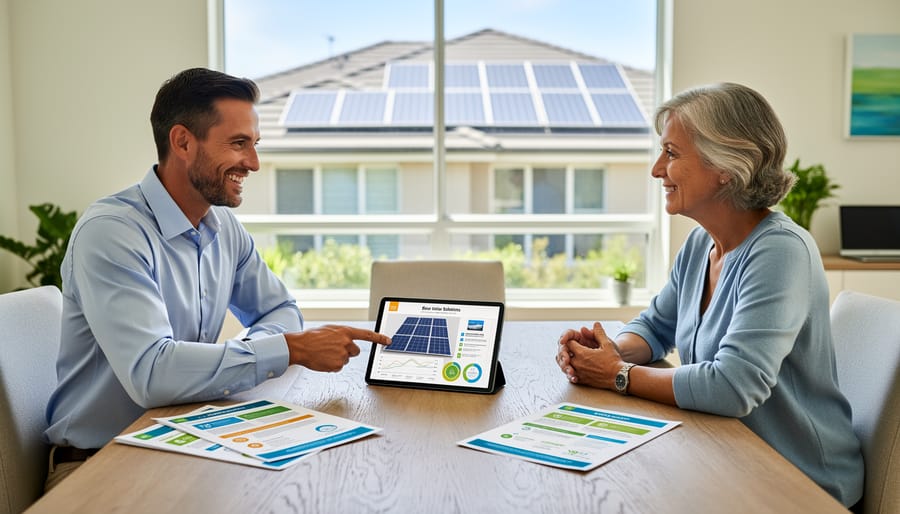
Before investing time and money in solar sales training, verify the program meets current industry standards and will genuinely prepare you for today’s market. Not all courses are equal, some providers rely on outdated curriculum that doesn’t reflect 2026 realities, while others offer vague “certificates” with no recognized industry value or clear path to employment.
Check that any program you’re considering covers the latest federal incentives, specifically the Residential Clean Energy Credit provisions in effect for 2026. Equally important: the curriculum should address state and local policies where you plan to work. A course that ignores regional incentive programs or uses examples from years past won’t equip you to answer real homeowner questions. Use resources like the DSIRE incentive database to cross-check whether the training material reflects your area’s current programs.
Look for programs that include real-world application, case studies, ROI calculations using actual system costs, and practice presentations. If the course doesn’t teach you how to navigate 2026 tax credit percentages or doesn’t mention local utility net metering rules, it’s out of date. Transparent pricing, active instructor engagement, and a clear certification outcome are non-negotiable; vague promises and hidden fees waste your investment.
Step-by-Step: How to Choose and Complete Solar Sales Training
Step 1: Identify Your Training Goals and Format Preference
Before you choose a training program, take time to clarify what you want to achieve and how you learn best. If you’re new to solar sales and want foundational skills to start conversations with homeowners, an entry-level course will teach you the essentials: how solar works, what drives customer decisions, and how to present cost savings. If you’re aiming for a more technical role or want credentials that demonstrate deeper expertise, look for certification paths that include modules on system design, cost analysis, and advanced financial modeling.
Next, decide which format suits your schedule and learning style. Online courses offer flexibility, you can study after work, pause lessons when needed, and revisit material at your own pace. This works well if you’re balancing training with a current job. In-person programs provide hands-on practice, direct access to instructors, and networking opportunities with peers entering the same field. Consider the time you can commit: entry-level courses may require 12 to 36 hours total, while comprehensive certification paths demand more.
Match your choice to your career timeline and how you absorb information best.
Step 2: Research Accredited Training Providers
Start by identifying reputable training organizations with proven track records in solar education. Solar Energy International (SEI) is one of the leading providers, offering entry-level and advanced solar sales courses in both online and in-person formats. Their comprehensive programs cater to beginners and experienced professionals alike, with flexible schedules to fit different learning preferences.
When evaluating providers, review their curriculum carefully. Quality programs should cover essential topics including solar technology fundamentals, cost analysis methods, tax incentive navigation, ROI calculations, and customer needs assessment. These skills mirror what you’d need when helping homeowners choose the right installer for their property. Look for courses that teach both technical knowledge and practical sales techniques.
Check whether the provider offers certification paths beyond basic training. For example, SEI’s PV Technical Sales Certification includes structured coursework totaling 36 hours, with modules like PV Sales and Cost Analysis running about 12 hours each. Verify that pricing is transparent upfront, entry-level solar sales courses typically cost between $1,000 and $1,500. Avoid programs that don’t clearly outline what you’ll learn or how their training translates to real-world solar sales scenarios.
Step 3: Review Course Curriculum and Certification Paths
Once you’ve narrowed your list of providers, examine the course syllabus closely. Entry-level programs should cover solar technology fundamentals, customer needs assessment, and how to calculate system costs and savings. You’re looking for training that teaches both the technical aspects (how solar panels generate energy, system components) and the sales skills (presenting ROI, handling objections, closing deals).
Many providers offer structured certification tracks. For instance, SEI’s PV Technical Sales Certification Training Path begins with a 12-hour PV Sales and Cost Analysis module and extends to 36 hours of technical sales courses total. These comprehensive tracks equip you with deeper expertise in financial modeling, incentive programs, and advanced customer consultations.
Pay attention to whether the curriculum addresses current federal tax credits, state rebates, and local policies, 2026 incentives differ from prior years, and outdated material won’t serve you or your clients. Check course length, format flexibility, and whether certification is included. Most entry-level programs run between $1,000 and $1,500, though costs vary by provider and certification level. Compare what’s included in the fee: access to instructors, digital resources, and exam attempts can add significant value beyond the sticker price.
Step 4: Enroll in the Program
Once you’ve chosen your training program, it’s time to lock in your spot. Start by completing the registration form on the provider’s website, you’ll typically need to provide contact information, educational background, and your preferred course format. Most online programs offer rolling enrollment, meaning you can start immediately or choose a date that fits your schedule. In-person training sessions run on fixed calendars, so check the provider’s course schedule for available dates and locations.
After registration, you’ll pay the course fee. Entry-level solar sales courses generally cost between $1,000 and $1,500, though prices vary by provider and certification level. Many platforms accept credit cards or offer payment plans to spread the cost over several months.
Confirm your start date and watch for a welcome email containing crucial details: login credentials for the learning platform, course syllabus, instructor contact information, and links to downloadable materials. Save this email and test your access immediately to troubleshoot any technical issues before your first session. If you don’t receive confirmation within 24-48 hours, reach out to the provider’s support team to ensure your enrollment is complete.
Step 5: Complete Core Training Modules
Once enrolled, you’ll move through the program’s core modules at your own pace or according to the session schedule. Start with solar energy basics how photovoltaic systems generate electricity, key components like inverters and batteries, and typical system sizes for residential installations. You’ll then learn to assess customer energy needs by reviewing utility bills, identifying consumption patterns, and matching system capacity to household usage.
Next, dive into financial analysis: calculating system costs, projecting long-term savings, and presenting ROI to homeowners. This module often covers current federal tax credits, state rebates, and financing mechanisms, make sure you understand solar PPAs and lease options as alternatives to cash purchases. Take detailed notes on incentive programs specific to your region, since these change frequently and directly impact your sales conversations.
Most programs include interactive elements, discussion forums, live Q&A sessions, or virtual role-plays. Participate actively. Practicing objection handling and presentation techniques with instructors and peers builds the confidence you’ll need when speaking with real clients.
Verification and Next Steps After Training

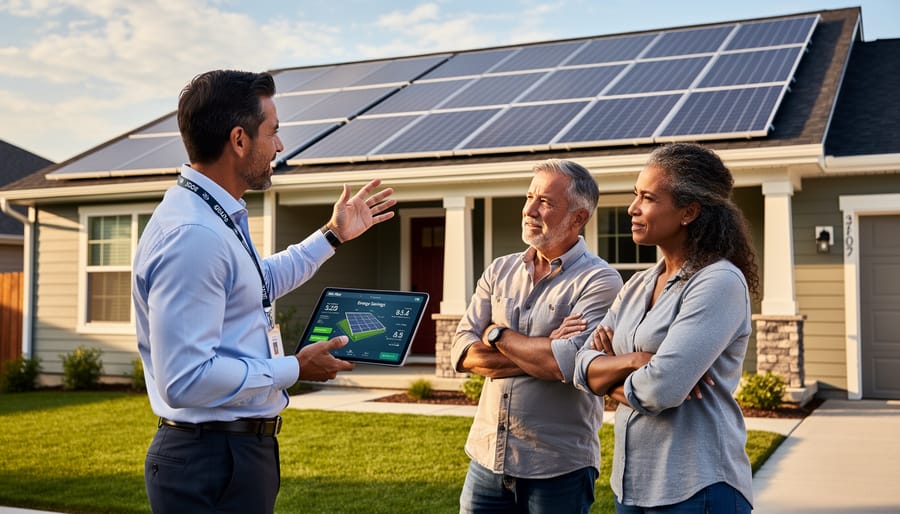
After putting in the hours to complete your solar sales training, you’ll want to confirm your progress and position yourself for success in the field. Most training programs send a certificate of completion via email within a few business days of finishing the coursework. Save this certificate both digitally and as a printed copy, you’ll reference it when applying for positions and during client interactions to establish credibility.
If you completed a certification track rather than a basic course, verify your credentials through the issuing organization’s registry. For example, Solar Energy International maintains an online database where employers and clients can confirm your technical sales certification. Take a moment to update your LinkedIn profile with your new credential, adding it to the Licenses & Certifications section with the issue date and certification ID. Refresh your resume to highlight the specific skills you’ve gained, such as cost analysis, ROI calculation, and knowledge of current tax incentives.
Here’s your post-training action plan to transition from learner to practitioner:
- Practice presenting system proposals to friends or family to refine your pitch
- Role-play objection handling scenarios with fellow trainees or mentors
- Research solar financing options available in your region to better serve diverse client budgets
- Apply to solar installation companies, dealerships, or energy consulting firms actively hiring sales staff
- Join local solar industry groups or online communities to expand your professional network
- Subscribe to policy update newsletters to stay informed about changing incentive programs and rebates
The solar industry evolves quickly, with new technologies and policy shifts emerging regularly. Set a quarterly reminder to review updates on federal tax credits, state rebates, and utility programs that affect your sales conversations. This ongoing education keeps you effective and trusted, qualities homeowners value when making significant energy investments.
Key Skills You’ll Gain from Solar Sales Training
Solar energy sales training equips you with a practical skill set that goes beyond generic sales techniques. You’ll learn to conduct thorough energy assessments, reviewing a homeowner’s current utility bills, roof conditions, and consumption patterns to determine whether solar makes sense for their specific situation. The training teaches you to calculate system costs accurately, factor in equipment specifications, installation variables, and financing options, then present clear ROI projections that show payback periods and long-term savings in dollars the homeowner can understand.
You’ll master the art of communicating both environmental and economic benefits in ways that resonate with different buyer motivations. Some homeowners care most about reducing their carbon footprint, while others focus on monthly bill savings or energy independence. Training programs cover how to navigate the complex landscape of local and federal incentives, including current tax credits, state rebates, and utility programs that can significantly reduce upfront costs. This knowledge builds trust because you’re offering tailored guidance rather than a one-size-fits-all pitch.
Objection handling becomes second nature as you learn to address common concerns about weather variability, roof compatibility, maintenance requirements, and long-term warranties. The confidence to close sales comes from understanding the product deeply enough to answer technical questions and guide hesitant buyers through their decision process. These competencies don’t just help you succeed professionally. They position you as an educator who empowers homeowners to participate in the clean energy transition, creating ripple effects throughout your community as more families adopt solar solutions.
Frequently Asked Questions
Do I need prior sales experience to start solar sales training?
No, most solar sales training programs are designed for entry-level learners with no previous sales experience required. A basic understanding of customer service and openness to learning technical concepts in accessible language will help you succeed.
How long does solar sales training typically take?
Training duration varies by program and certification path. Entry-level courses can be completed in 12 hours, while comprehensive technical sales certification paths extend to 36 hours or more. Online formats offer flexible, self-paced learning that fits around your schedule.
Can I complete training while working full-time?
Yes, many programs offer online formats with rolling enrollment that allow you to study at your own pace. This flexibility makes it practical to complete coursework during evenings and weekends without leaving your current job.
What’s the job outlook for solar sales professionals?
The solar industry continues expanding as homeowners increasingly adopt renewable energy solutions, creating strong demand for knowledgeable sales professionals who can assess energy needs, explain financial benefits, and navigate current incentive programs. Your skills will contribute directly to the broader solar adoption movement.
These common questions reflect concerns many aspiring solar sales professionals share as they consider entering this growing field. Training programs have evolved to accommodate diverse backgrounds and schedules, removing traditional barriers to entry. The combination of accessible learning formats, entry-level curricula, and expanding market opportunities makes solar sales training a practical pathway whether you’re changing careers or building new expertise alongside existing work.