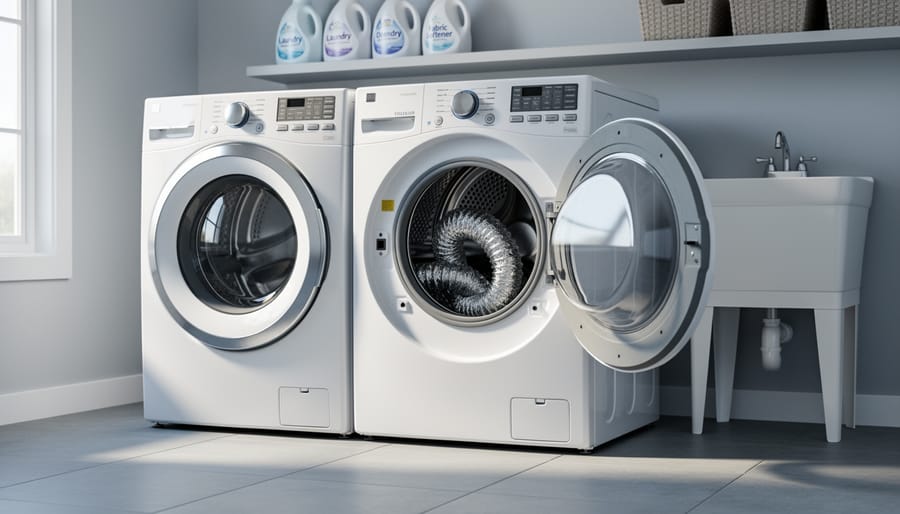
A home energy audit of your laundry room typically reveals inefficient dryer venting, outdated appliances drawing excessive power, and water heating losses that collectively account for 10-15% of household energy waste. Professional auditors measure airflow restriction in dryer vents (often finding 50% or greater blockage), assess whether your washer uses hot water unnecessarily, and evaluate lighting and HVAC impacts specific to this high-use space. Services like Dryer Vent Cleaning Spring Hill address one of the most common audit findings: clogged vents that force dryers to run 30-40% longer per load.
The assessment process takes 15-30 minutes as part of a whole-home energy audit and delivers a prioritized list of improvements with projected savings. Most homeowners qualify for free or subsidized audits through utility programs or state energy offices, making this an accessible first step toward lower bills and reduced carbon footprint.
What makes laundry room findings particularly valuable is their dual impact. Fixing a restricted dryer vent improves safety while cutting energy use. Switching to cold-water washing preserves clothing and eliminates water heating costs for 80% of loads. Installing LED lighting and optimizing ventilation creates compounding benefits that extend beyond the laundry room itself.
This guide walks you through what auditors examine, how to interpret your specific findings, and which improvements deliver the fastest payback. You’ll learn eligibility requirements for subsidized audits, preparation steps that ensure accurate results, and how laundry room efficiency connects to broader home sustainability goals, including solar readiness and whole-house energy reduction strategies.
What a Home Energy Audit Laundry Room Assessment Covers
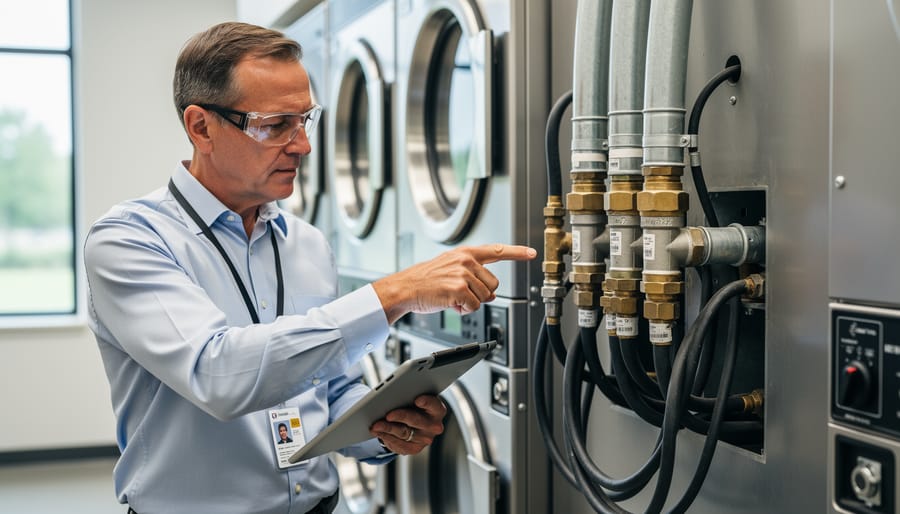
When a certified energy auditor steps into your laundry room, they’re doing far more than a quick visual check. They conduct a systematic assessment using specialized tools to measure energy consumption, identify waste, and pinpoint opportunities for improvement. Understanding what they examine helps you prepare for the visit and recognize the value in their findings.
The assessment begins with your appliances. Auditors record the make, model, and age of your washer and dryer, then cross-reference these against current efficiency standards. They check energy labels and calculate typical usage costs based on your household size and laundry frequency. For dryers, they measure exhaust temperature and airflow to assess combustion efficiency in gas models or heating element performance in electric units.
Ventilation receives intense scrutiny because poorly performing dryer vents rank among the most common energy wasters. Using airflow meters and infrared cameras, auditors trace the entire vent path from the dryer to the exterior termination point. They measure duct length, count bends, check for crimps or restrictions, and verify proper exterior hood operation. Infrared imaging reveals whether hot air escapes through gaps or loose connections.
The auditor examines several critical elements in every laundry room:
- Washer and dryer efficiency ratings and operational performance
- Vent ductwork condition, length, material type, and exterior termination
- Air sealing around pipe penetrations, vent openings, and utility access points
- Insulation quality on hot water pipes and around exterior walls
- Hot water connection temperature settings and pipe insulation
- Electrical outlet conditions, circuit capacity, and grounding safety
- Lighting fixture types, wattage, and opportunities for LED upgrades
Blower door tests measure whole-house air leakage, but auditors pay special attention to laundry room penetrations where pipes, vents, and electrical conduits pass through walls or floors. These gaps often go unnoticed yet allow conditioned air to escape year-round.
Hot water connections get particular focus. Auditors check whether your water heater maintains unnecessarily high temperatures for laundry needs, measure heat loss from uninsulated pipes, and calculate the energy cost of heating wash water. They may suggest solar water heating integration if your property has suitable roof access and orientation, connecting laundry efficiency to broader renewable energy goals.
Common Energy Waste Issues Auditors Discover
Energy auditors consistently find the same handful of issues when they assess laundry rooms, and these problems add up to substantial wasted energy and higher bills. The most common culprit is aging appliances, washers and dryers manufactured before 2015 can use 40-50% more energy than current ENERGY STAR models. Many homeowners don’t realize their 12- or 15-year-old machines are silently driving up costs month after month.
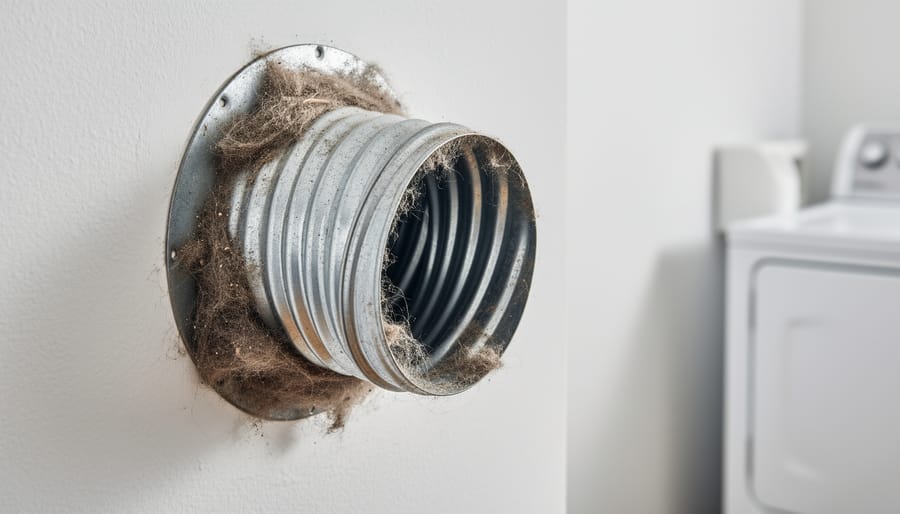
Dryer vent problems rank near the top of every audit report. Poorly sealed or crushed ductwork forces dryers to run longer, while lint buildup restricts airflow and creates a fire hazard. Auditors frequently discover vents that terminate in attics or crawlspaces instead of outside, pumping hot, moist air into spaces that shouldn’t have it. Flexible plastic or foil ducts, though common, trap more lint than rigid metal ducts and reduce efficiency by up to 25%.
Water heating represents another major finding. Auditors notice that many households default to hot or warm water for every load, even though modern detergents work effectively in cold water. Heating water for laundry accounts for about 90% of a washing machine’s energy use, making temperature settings one of the easiest fixes to implement.
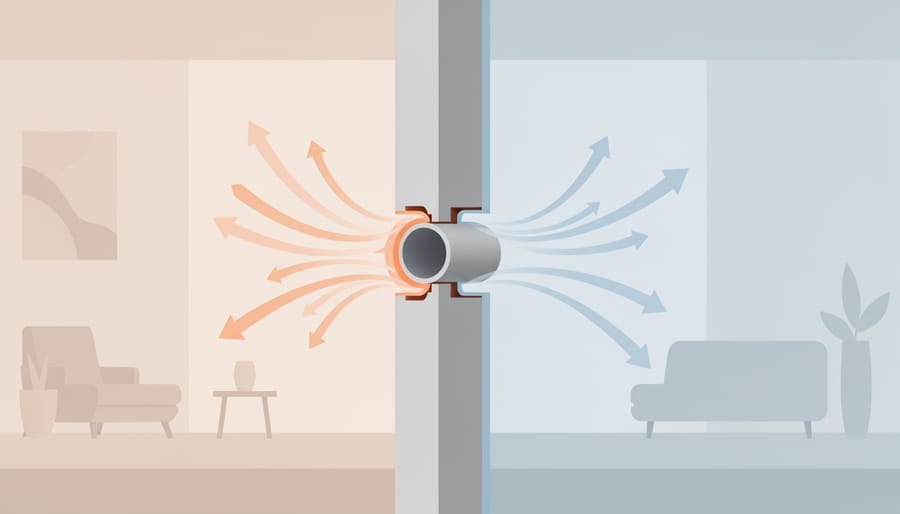
Air leaks around plumbing penetrations, dryer vents, and exterior walls are nearly universal. These gaps let conditioned air escape and outdoor air infiltrate, forcing heating and cooling systems to work harder. Inadequate insulation around hot water pipes wastes heat before it even reaches the washer, and gaps around the dryer vent box create persistent drafts.
Community energy programs in 2026 report that outdated lighting remains surprisingly common, incandescent or CFL bulbs in spaces where LED alternatives would cut lighting energy by 75% while providing better visibility. Combined with phantom loads from appliances left plugged in when not in use, these smaller issues compound the larger inefficiencies auditors document.
Who Qualifies for a Home Energy Audit
Most homeowners and renters can access a professional home energy audit through multiple pathways, each with different eligibility requirements and cost structures. Understanding which programs you qualify for helps you choose the most affordable route to identifying laundry room energy improvements.
Utility-sponsored programs offer the broadest access. Most electric and gas utilities provide free or heavily subsidized audits to residential customers, regardless of income level. You typically need an active account in good standing and must own or rent the property you’re requesting the audit for. Some utilities prioritize homes built before 2000 or those with higher-than-average energy consumption, but most accept all applicants.
Government incentive programs through state energy offices or the Weatherization Assistance Program serve households meeting specific income thresholds. For 2026, most state programs target families earning at or below 200% of the federal poverty line, which translates to roughly $60,000 annually for a family of four. These programs often provide free comprehensive audits plus implementation assistance for recommended improvements. Eligibility extends to both homeowners and renters, though renters need landlord permission for any follow-up work.
| Program Type | Eligibility Criteria | Typical Cost | What’s Included |
|---|---|---|---|
| Utility-Sponsored | Active utility customer, no income limits | Free to $50 | Basic walkthrough, appliance assessment, report with recommendations |
| Government Rebate Programs | Income at or below 200% federal poverty line | Free | Comprehensive audit, implementation support, follow-up verification |
| Private Audit Services | Open to all homeowners and renters | $300 to $700 | Detailed assessment, thermal imaging, blower door test, customized report |
Private audit services are available to anyone willing to pay out of pocket. Certified energy auditors charge between $300 and $700 for comprehensive assessments that include advanced diagnostic tools. This option works well for homeowners who don’t qualify for subsidized programs or want more detailed analysis than utility audits provide.
Regional availability varies considerably. Urban and suburban areas generally have multiple audit options, while rural communities may have fewer providers or longer wait times. Check with your state energy office for a list of qualified auditors serving your zip code and current program availability in your area.
How to Schedule and Prepare for a Laundry Room Energy Audit
Start by contacting your utility provider to ask about sponsored audit programs. Many utilities in 2026 offer free or subsidized home energy assessments that include thorough laundry room evaluations. If your utility doesn’t provide this service, check your state energy office website for a list of certified home energy auditors. Look for professionals with Building Performance Institute (BPI) or Residential Energy Services Network (RESNET) credentials, as these certifications ensure they follow standardized assessment protocols.
When you call to schedule, specifically mention you want detailed attention paid to your laundry room. Not all auditors automatically include appliance-specific analysis unless requested. Ask about their assessment scope, whether they use blower door tests and thermal imaging cameras, and if they’ll evaluate both your washer and dryer efficiency along with the ventilation system. Request an estimate of how long the visit will take, most comprehensive audits run two to four hours, depending on your home’s size.
Before the auditor arrives, clear access to your laundry room by moving baskets, detergent bottles, and stored items away from appliances and walls. Pull your dryer away from the wall if possible so the auditor can inspect the vent connection and ducting. Locate your most recent utility bills spanning at least twelve months, as auditors use these to establish baseline energy usage patterns. Gather any documentation you have about your appliances, including model numbers, purchase dates, and Energy Star labels.
Write down questions beforehand. Ask how your laundry room compares to similar homes in efficiency, what the payback period would be for recommended upgrades, and which improvements offer the biggest impact. Request specific data on how much energy your current washer and dryer consume compared to newer models. If you’re considering solar, ask how a solar water heating system could offset laundry energy costs.
The auditor should provide a written report within two weeks detailing laundry room findings, prioritized recommendations, and projected savings. Request clarification on any technical terms or measurements you don’t understand, it’s their professional obligation to explain findings in plain language that helps you make informed decisions about improvements.
Understanding Your Audit Report and Recommendations
When you receive your home energy audit report, the laundry room section should break down findings into three priority levels: immediate actions that stop active energy waste, medium-term improvements with payback periods under five years, and long-term investments that enhance overall home efficiency. Look for specific measurements rather than vague suggestions, a quality report will quantify air leakage rates through dryer vents, document appliance energy consumption in kilowatt-hours per cycle, and identify insulation gaps with thermal imaging data. Each recommendation should include an estimated annual savings figure, the upfront cost range, and a calculated payback period so you can prioritize based on your budget and sustainability goals.
The most actionable laundry room reports separate quick wins from major investments. Quick wins might include sealing a leaking dryer vent ($30 cost, $60 annual savings, six-month payback) or switching to cold water washing ($0 cost, $150 annual savings). Medium-priority items often involve upgrading to LED lighting or installing a timer switch for electric water heaters serving the laundry room. Long-term recommendations typically focus on replacing aging washers or dryers with ENERGY STAR models, which the report should list with specific efficiency ratings and rebate availability for 2026. Professional auditors are obligated to explain their methodology, provide documentation of their findings with photos or thermal images, and clarify how they calculated savings estimates. If your report lacks specific numbers or skips the “why” behind recommendations, request clarification in writing, a thorough understanding of the findings empowers you to make confident decisions about which improvements align with your energy goals and connect to broader home efficiency measures like solar water heating or renewable energy integration.
Acting on Laundry Room Audit Findings
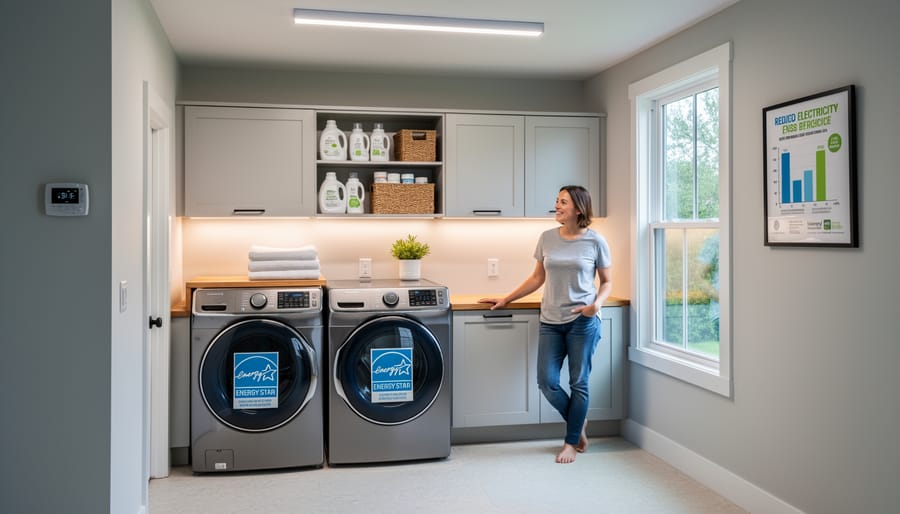
Once you have your audit report, prioritize recommendations by return on investment and ease of implementation. Start with the quick wins that require minimal cost but deliver immediate savings.
Sealing gaps around dryer vents and plumbing penetrations takes an afternoon and a few tubes of caulk. Weather-stripping the exterior door costs under $20 and stops conditioned air from escaping. Swapping incandescent bulbs for LEDs reduces heat output and electricity use instantly. Cleaning out dryer lint traps and exhaust ducts improves efficiency without spending a dime. These small fixes often cut laundry energy consumption by 10-15 percent.
Mid-range improvements deliver bigger savings with moderate investment. Insulating hot water pipes reduces standby heat loss by up to 30 percent, cutting the energy your water heater uses. Installing a timer on an electric water heater prevents unnecessary heating during peak hours. Upgrading to WaterSense-rated fixtures lowers hot water demand. If your audit identified an aging water heater, consider solar thermal water heating, it can meet 60-80 percent of a typical household’s hot water needs and pairs well with electric backup systems.
Major investments like replacing a 15-year-old washing machine or dryer yield the largest returns. ENERGY STAR certified washers use 25 percent less energy and 33 percent less water than standard models. Heat pump dryers consume 50 percent less electricity than conventional vented dryers. While upfront costs run $800-1,500 per appliance, federal tax credits, state rebates, and utility incentives in 2026 can cover 20-40 percent of the expense.
If your audit suggests broader energy improvements beyond the laundry room, investigate rooftop solar costs to offset overall household electricity use. Many homeowners bundle laundry room upgrades with whole-home energy projects using solar financing options that spread costs over time while generating immediate savings.
Track your utility bills after each improvement to measure actual impact and stay motivated for the next upgrade.
Where to Get Help and Additional Resources
Finding the right support and resources can make the difference between audit findings that sit in a drawer and real improvements that lower your energy bills. Start with your local utility company, which often runs efficiency programs offering free or subsidized audits, rebates on energy-efficient appliances, and sometimes even direct installation of water heaters or ventilation upgrades. Many utilities maintain online portals where you can search for available incentives by zip code and appliance type, making it easy to stack multiple rebates when replacing your washer or dryer.
The U.S. Department of Energy’s Better Buildings program and ENERGY STAR websites provide comprehensive tools for finding certified auditors, comparing appliance efficiency ratings, and calculating potential savings from laundry room improvements. State energy offices administer weatherization assistance programs and can connect you with local contractors who specialize in implementing audit recommendations, particularly for insulation, vent sealing, and efficiency upgrades.
Key resources to explore include:
- Local utility efficiency programs offering audits, rebates, and implementation support
- ENERGY STAR rebate finder tool for appliance-specific incentives
- State energy office contacts for weatherization programs and certified contractor lists
- Building Performance Institute and Residential Energy Services Network directories for qualified auditors
- Community solar programs that can offset laundry room energy costs
- Weatherization Assistance Program for income-qualified homeowners
For homeowners interested in connecting laundry improvements to broader sustainability goals, community solar programs offer a way to offset the electricity your washer and dryer consume without rooftop installation. Understanding solar energy basics helps you evaluate whether solar water heating or community solar subscriptions make sense alongside your audit-recommended appliance upgrades, creating a comprehensive approach to laundry room efficiency.
How to Apply or Complete the Process
Once you’ve identified the type of audit you want, contact your local utility company or state energy office to start the application. Many utilities offer free or subsidized audits through online portals where you submit basic information about your home, including square footage, age, and current energy usage. Some programs require proof of income for reduced-cost services, while others are available to all customers.
After submitting your request, you’ll typically receive a confirmation email within a few business days, followed by a phone call to schedule the actual visit. The scheduler will ask about specific concerns, mention your laundry room if you want detailed attention there. Most programs don’t require pre-payment; billing happens after the audit or gets added to your utility bill.
During the audit, the inspector will assess your entire home but can focus on the laundry room when requested. Afterward, you’ll receive a written report outlining findings and recommendations. Review this carefully and ask follow-up questions if anything is unclear.
If the report recommends major improvements like new appliances or solar water heating, explore whether community solar projects could offset your energy costs. Understanding community vs rooftop options helps you make informed decisions about implementing audit recommendations sustainably.
Frequently Asked Questions About Laundry Room Energy Audits
How much can I save from laundry room improvements?
Savings vary based on current inefficiencies, but homeowners typically save between $75 and $300 annually by implementing recommended laundry room improvements. High-impact changes like upgrading to ENERGY STAR appliances, sealing dryer vents, and switching to cold-water washing can reduce energy consumption by 20 to 40 percent in this space alone.
Do auditors check for solar compatibility in the laundry room?
Professional auditors increasingly assess opportunities for solar integration, particularly for water heating systems that serve laundry needs. Many 2026 audit reports now include recommendations for solar thermal systems or highlight how rooftop solar installations can offset laundry appliance electricity use, connecting individual efficiency gains to broader renewable energy adoption.
What’s the average cost of recommended laundry room upgrades?
Quick fixes like sealing air leaks, installing LED lighting, and insulating exposed pipes typically cost under $100 and deliver immediate returns. Major upgrades such as replacing washers, dryers, or water heaters range from $600 to $2,500, though utility rebates and federal tax credits often reduce out-of-pocket costs by 30 to 50 percent.
Can renters request laundry room audits?
Yes, renters can request audits through many utility-sponsored programs, though implementation of major recommendations requires landlord approval. Some cities offer renter-specific programs that provide free efficiency kits and facilitate landlord conversations about cost-shared improvements that benefit both parties through lower utility bills.
Beyond these common concerns, many homeowners wonder about follow-up support after receiving their audit report. Most professional auditors offer a consultation period where you can ask clarifying questions about findings and prioritization strategies. Utility programs often connect you with approved contractors who understand audit recommendations and can provide accurate quotes for improvements. As your home’s energy profile changes with upgrades or new appliances, consider scheduling follow-up assessments every three to five years to capture new savings opportunities and ensure your laundry room remains optimized for both efficiency and sustainability.
Understanding what energy auditors find in your laundry room opens the door to meaningful change that extends far beyond a single space in your home. The inefficiencies discovered during an audit, whether it’s a poorly sealed dryer vent, an outdated washer, or inadequate insulation around your water heater, represent real opportunities to reduce energy waste, lower utility bills, and lessen your environmental footprint.
These findings connect directly to broader sustainability goals our communities are working toward. When you replace an inefficient appliance or seal air leaks, you’re not just saving money. You’re reducing demand on the grid, making renewable energy transitions more effective, and contributing to the cleaner future that policy makers and environmental advocates are building together.
The laundry room improvements identified in your audit often complement solar investments beautifully. Lower overall energy consumption means solar systems can cover more of your needs, and efficiency upgrades like heat pump water heaters work in tandem with rooftop panels to maximize your home’s sustainable potential.
Take that first step. Schedule an audit, review the findings carefully, and start with the improvements that make sense for your situation. Small changes in your laundry room today contribute to the collective momentum driving our transition to renewable energy and sustainable living across entire neighborhoods.