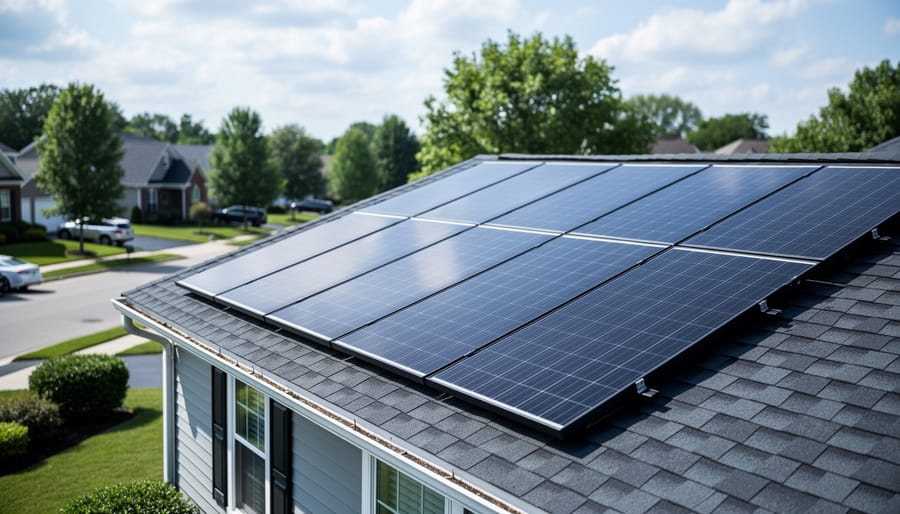
Solar panels cost far less than most homeowners expect once incentives come off the sticker price, but the number you land on depends on a few big levers. Using 2023 as our benchmark, a typical home system ran in the range of roughly $15,000 to $25,000 before incentives, with most households paying toward the middle of that spread. Treat that as a starting point, not a quote. For a closer look at solar cost in 2026 we’ve dug into how today’s market compares.
Three things move the price most. System size comes first, since a larger array that covers more of your electricity use costs more up front and usually saves more over time. Equipment quality and installer pricing come next, and quotes for the same home can differ by thousands of dollars. Your location and roof also matter, from local labor rates to how complicated your roof is to work on.
Then there’s the number that really counts: what you pay after tax credits and local incentives. Across neighborhoods, many homeowners find that comparing a few quotes and talking with nearby solar owners gives them a clearer budget than any national average. Below, we break down cost by system size, where each dollar goes, and how to plan a realistic budget with confidence.
What Homeowners Paid for Solar in 2023: Estimated Cost by System Size
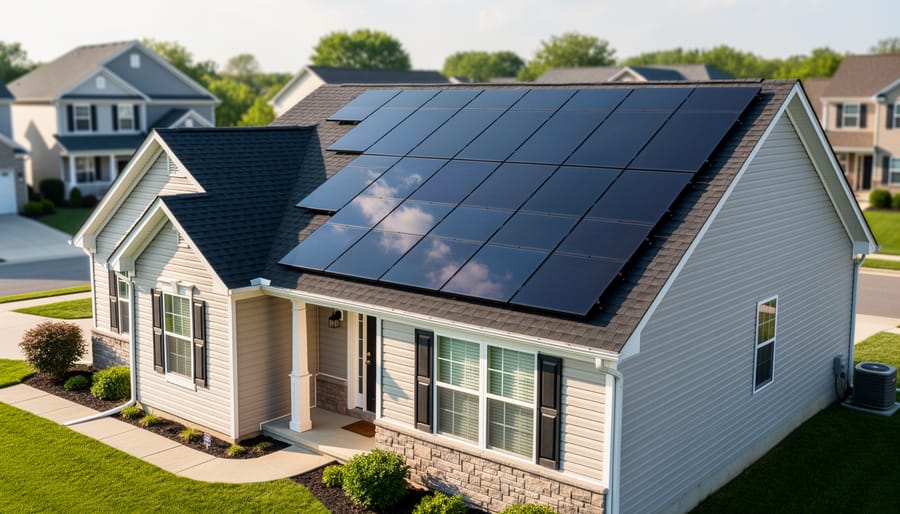
Cost Per Watt: The Easiest Way to Compare Quotes
Quotes can look wildly different at first glance, but cost per watt cuts through the noise. It’s simply the total price of the system divided by its size in watts. That one number lets you compare a small system from one installer with a larger one from another on equal footing.
Here’s a quick example. Say one installer quotes $15,000 for a 5-kilowatt system, which is 5,000 watts. Divide $15,000 by 5,000 and you get $3.00 per watt. Another installer quotes $19,000 for a 7-kilowatt system, or 7,000 watts. That works out to about $2.71 per watt. The second quote costs more in total, yet it’s the better deal per watt.
For a sense of where your numbers should land, the 2023 solar cost benchmarks are a handy reference point. Just remember that cost per watt doesn’t show warranty strength or equipment quality, so use it as a starting line, not the finish.
Where Your Money Goes: A Cost Breakdown of a Solar Installation
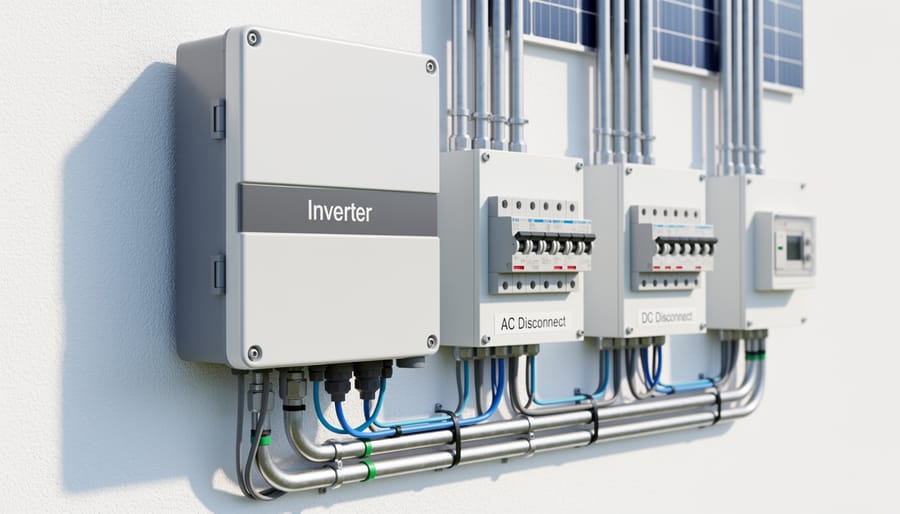
When you look at a solar quote, it’s easy to see one big number and wonder what’s inside it. A home solar system is really a bundle of parts and services, and knowing what each one does makes it much easier to judge whether a price is fair. Here’s a typical breakdown, using rough shares of the total installed price.
| Cost Component | What It Does | Approximate Share of Total |
|---|---|---|
| Solar panels | Capture sunlight and turn it into electricity | About 25% to 30% |
| Inverter | Converts panel power into the kind your home uses | About 10% |
| Mounting and racking | Holds the panels securely on your roof | About 5% to 10% |
| Wiring and electrical work | Connects the system safely to your home and the grid | About 5% to 10% |
| Labor, permits, and overhead | Pays the crew, paperwork, inspections, and the installer’s business costs | About 40% to 50% |
These percentages are ballpark figures, and they shift from one installer and one region to the next. Treat them as a guide, not a promise.
Panels are the part most people picture, but they’re often less than a third of the bill. The inverter is the quiet workhorse. Your panels produce direct current, and your home runs on alternating current, so the inverter handles that translation every sunny hour.
Mounting hardware and wiring don’t get much attention, yet they matter for safety and durability. A solid racking system keeps panels in place through wind and weather, while proper electrical work protects your home and keeps the system code-compliant.
The biggest surprise for many homeowners is the last row. Labor, permits, inspections, and installer overhead together often make up close to half the total. That covers the skilled crew on your roof, the paperwork your city requires, and the cost of running a reliable local business. It’s also where quotes tend to differ most, which is a good reason to compare several before you decide.
What Makes Your Solar Price Go Up or Down
No two solar quotes look exactly alike, and that’s not a sign something’s wrong. A handful of everyday factors push the final price up or down, and the Cost of Solar Panels in 2023 showed this clearly. Homeowners with similar-sized systems often paid noticeably different totals simply because their homes, regions, and choices differed.
Here are the main things that move the number:
- Location and local labor rates: Areas with higher wages and permitting costs tend to raise the total, while competitive, lower-cost regions often lower it.
- Roof type: Simple, sturdy roofs keep installation affordable, while tile, slate, or steeply pitched roofs usually add cost.
- Shading and orientation: A sunny, south-facing roof can mean fewer panels for the same power, while shade may require extra equipment or more panels.
- Panel quality and efficiency: Premium, high-efficiency panels raise the upfront price, while standard panels cost less but may need more roof space.
- Inverter choice: Microinverters or optimizers generally cost more than a single central inverter, though they can help in partly shaded settings.
- Battery storage: Adding a battery for backup power is one of the biggest ways to raise the total.
- Electrical panel upgrades: An older home needing a panel upgrade will see added costs, while a modern panel keeps things simpler.
- Installer competition: More local installers bidding for your job usually means better pricing.
In 2023, these same variables explained much of the spread between quotes. A homeowner with a plain, unshaded roof and a few installer options often landed on the lower end, while one adding batteries or an electrical upgrade moved higher.
The good news is that you control several of these choices. Taking a look at your roof, deciding whether backup power is a must-have, and gathering a few quotes can shape your price before you ever sign anything.
Bringing the Price Down: Incentives, Savings, and the Role of Policy
The price on a solar quote is rarely the price you end up paying. Several layers of support can bring the net cost down, and it helps to know them before you compare bids.
The federal tax credit is the best known. It lets eligible homeowners subtract a percentage of their system cost from their federal income taxes. Many states, cities, and utilities add their own rebates, performance payments, or sales and property tax breaks. Then there’s net metering, which credits you for extra electricity your panels send back to the grid. That doesn’t lower the installation bill, but it shrinks your monthly utility costs over time, and that counts toward real savings.
Those details do shift. Credit percentages, rebate budgets, and net metering rules vary by place and over time, and some programs run out of funding. Check with your state energy office, your utility, and a licensed installer for what’s available today.
Policy shapes all of this more than most people realize. When incentives are stable and easy to use, solar becomes within reach for more households, and those choices are made by local and national leaders who respond to what residents say. That’s where community voices matter. Whatever your politics, sharing your experience with local officials and utilities helps them see which programs actually work for families like yours.
Neighbors can make a difference on price, too. Group purchasing programs let a block or town pool demand and negotiate a better rate from a single installer. If you can’t put panels on your own roof, community solar projects offer another path to the savings. Even without a formal program, asking nearby homeowners who they hired, what they paid, and how the process went gives you a reality check no brochure can match.
DIY vs. Professional Solar Installation: Cost and Trade-Offs
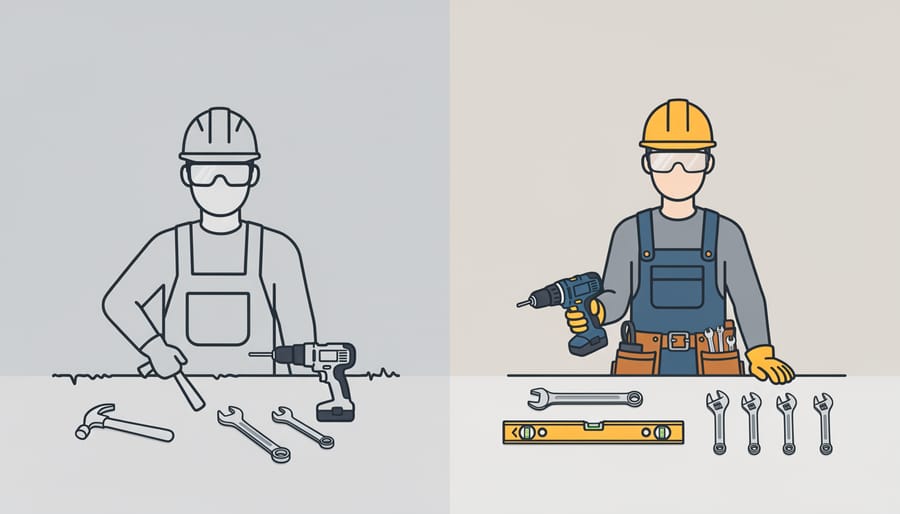
The biggest reason people consider doing it themselves is the upfront price. Labor and installer overhead make up a meaningful share of a typical bill, so skipping a crew can trim the total noticeably. But the lower sticker price comes with trade-offs worth weighing before you pick up a drill.
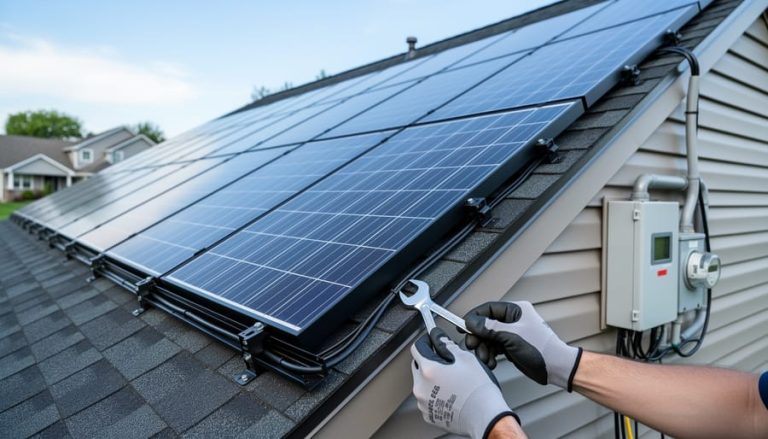
Solar involves working on a roof and connecting to your home’s electrical system, which means real safety risks and local code requirements. A professional crew handles permits, inspections, and the utility hookup as part of the job. For a first-timer, that paperwork alone can feel like a second project. If you’d like a picture of what the work involves, this overview of residential solar installation walks through the main steps.
Pros
- Professional installation includes permitting, inspections, and utility paperwork handled for you.
- Licensed crews reduce the safety risks of roof and electrical work.
- Workmanship and equipment warranties are usually easier to keep intact.
- Many incentive programs expect a licensed installer, so you’re less likely to miss out.
- The job is typically finished in days rather than weekends stretched into months.
Cons
- Labor and overhead raise the total price compared with doing it yourself.
- You depend on an installer’s schedule and quality, so comparing quotes matters.
- DIY can save money, but only if you have the time and confidence to do it safely.
- A mistake in a DIY install can void warranties or complicate inspections.
Incentives deserve a close look here. Some rebates, tax credits, and utility programs may require licensed installation, and some manufacturers tie their warranties to who did the work. Rules differ by location and change over time, so check your specific programs before deciding.
You don’t have to choose all or nothing. Some homeowners use DIY-friendly kits for the panels and mounting, then bring in a licensed electrician to sign off on the wiring and connection. That hybrid route can lower costs while keeping the most safety-critical steps in expert hands. Whichever path you take, ask questions, get things in writing, and lean on neighbors who’ve been through it.
How to Get a Fair Solar Quote: A Step-by-Step Approach

Getting a fair quote is mostly about preparation and comparison. A little homework up front puts you in the driver’s seat when installers come calling.
- Pull 12 months of electricity bills and note your total yearly usage in kilowatt-hours, since this tells installers how big a system you need.
- Check your roof’s age, shading, and the direction it faces. If a re-roof is coming soon, handle that first or ask installers to coordinate.
- Request at least three written quotes from licensed local installers so you have real prices to compare.
- Divide each total by the system’s size in watts to get cost per watt, then compare warranties on panels, inverters, and workmanship side by side.
- Ask each installer which incentives and rebates apply to your address, and whether they handle the paperwork.
- Check reviews and ask local community groups about installers they’ve actually used.
Don’t skip that last step. Neighbors who’ve gone solar can tell you how an installer handled delays, communication, and follow-up service, things no brochure will mention. It’s a simple way to learn from neighbors and spot the installers worth calling back.
Finally, treat the lowest price with care. A bargain quote that skimps on equipment or warranty coverage can cost you more over time.
Solar Cost Questions Homeowners Ask Most
Most homeowners land in the same handful of places once they start researching, so here are straight answers to the questions we hear most. Treat them as a starting point, then check them against quotes from installers in your own area.
Is solar worth the cost?
For many homes, yes, especially when sun exposure is good, electricity rates are high, and incentives are available. Your own bills and roof matter more than any national average, so run the numbers for your situation.
How long does payback take?
Payback is the time it takes for bill savings to equal your net cost, and it varies widely with system price, local electricity rates, and incentives. A useful rule: divide your net cost by your expected yearly savings to get a rough estimate.
Do prices vary by state?
Yes. Labor rates, permitting rules, local incentives, and even typical roof styles all shift the price from one region to the next. That’s why gathering local quotes beats relying on a national figure.
Does financing change the total cost?
It can. A loan spreads out payments, but interest usually raises what you pay over time compared with paying cash. Leases and power purchase agreements work differently again, so ask for the total cost over the full term.
How do 2023 prices help me judge today’s quotes?
Think of them as a benchmark, not a promise. If a current quote looks far from what homeowners paid in 2023, ask the installer to explain the gap, whether it’s equipment, labor, or scope.
Should I take the first quote I get?
It’s smart to collect several. Quotes for the same system can differ noticeably, and side-by-side comparison is the easiest way to spot a fair deal.
If you want to dig deeper into current numbers, you can compare installation costs in our rooftop pricing guide. Pair that with your own utility bills and a few local quotes, and you’ll have a clear, grounded picture of what solar will realistically cost you.
Solar can feel like a big, confusing purchase, but the numbers get friendlier once you know how they fit together. System size sets the baseline, and cost per watt gives you a fair way to compare quotes. Knowing where the money goes, from panels and inverters to labor and permits, helps you spot what’s worth paying for. Roof type, shade, equipment choices, and local competition explain why your neighbor’s price may differ from yours. Incentives can then bring the net cost down, and whether you hire a pro or tackle part of the job yourself shapes both your savings and your protections.
You don’t need to be an expert to make a smart choice. You just need good information and a few quotes in hand. The 2023 prices give you a useful starting point, and today’s local quotes fill in the rest.
Join the One Block community to share your quotes, swap installer experiences, and learn from neighbors who’ve gone solar. And keep speaking up for policies that make clean energy affordable for every household.